UNIJOINTExpansion Joints & Rubber Products
UNIJOINT Rubber StripNatural / Neoprene Rubber Bearing Strip
Plain natural or neoprene rubber strip / pad
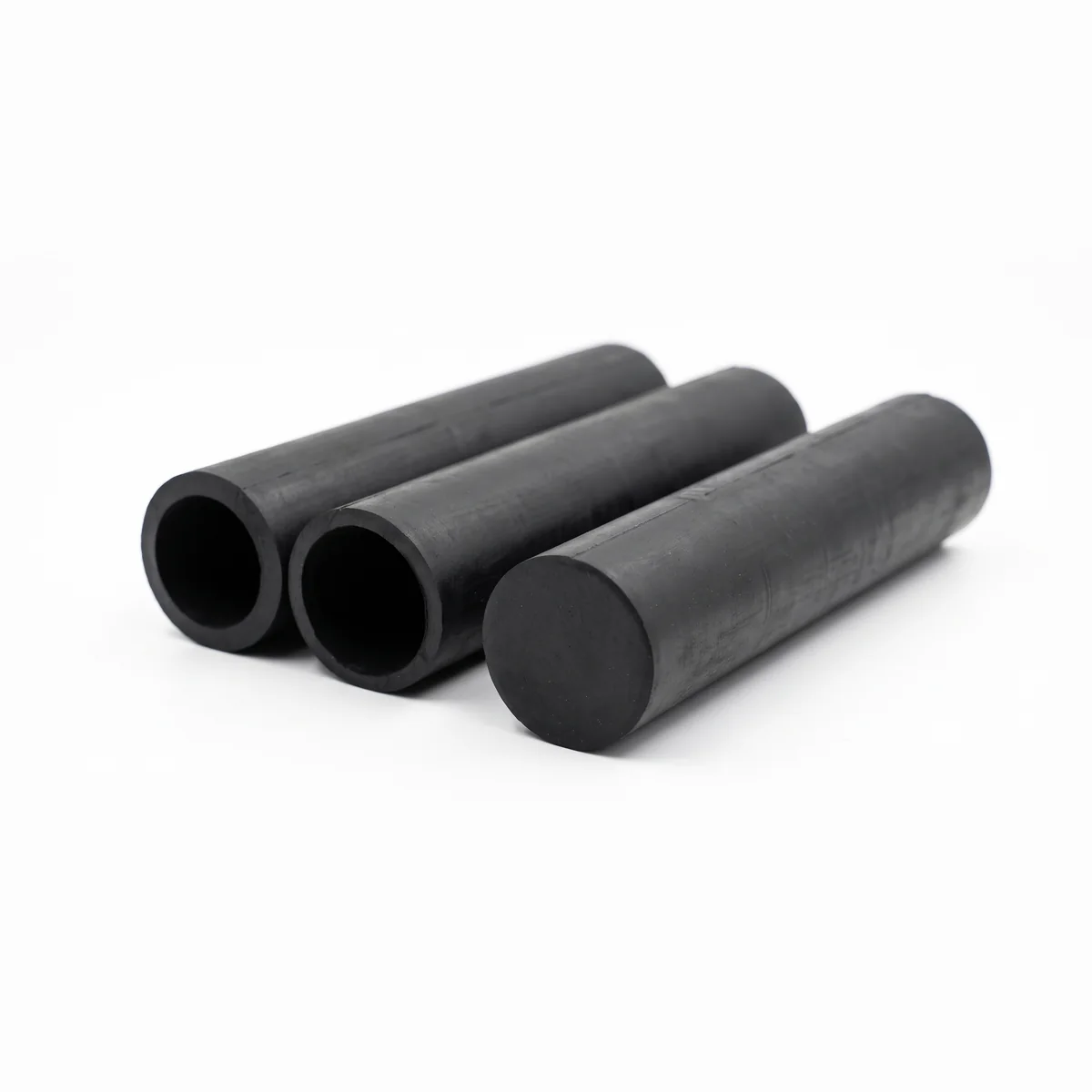
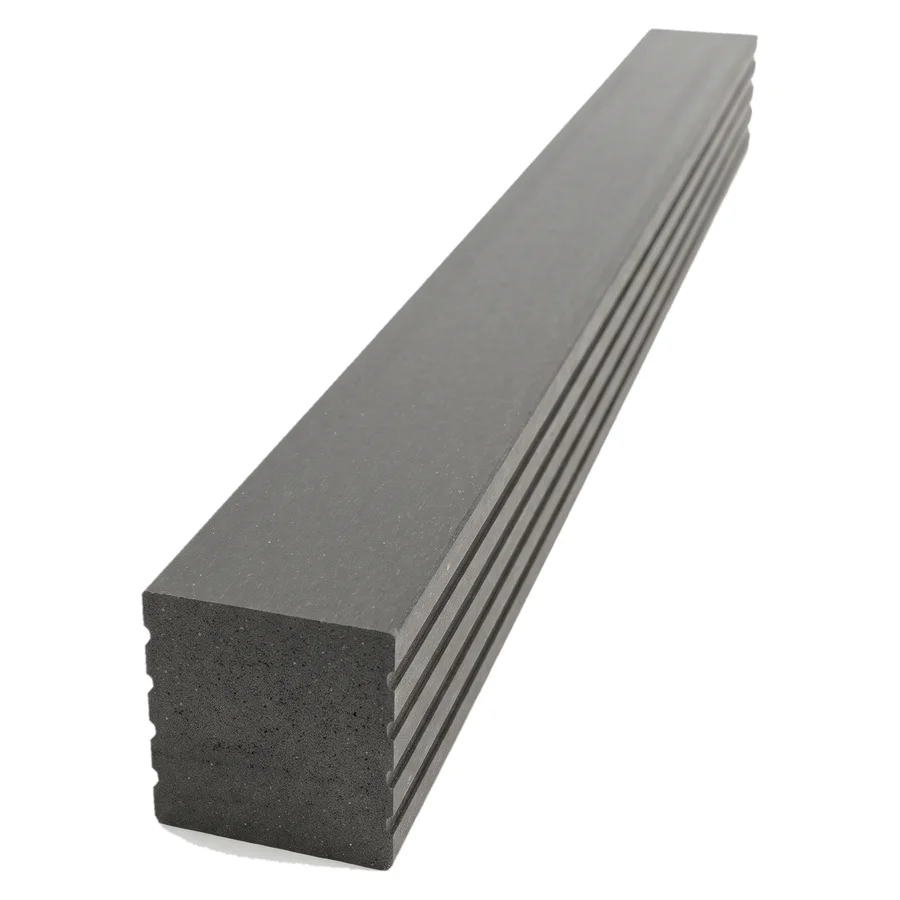
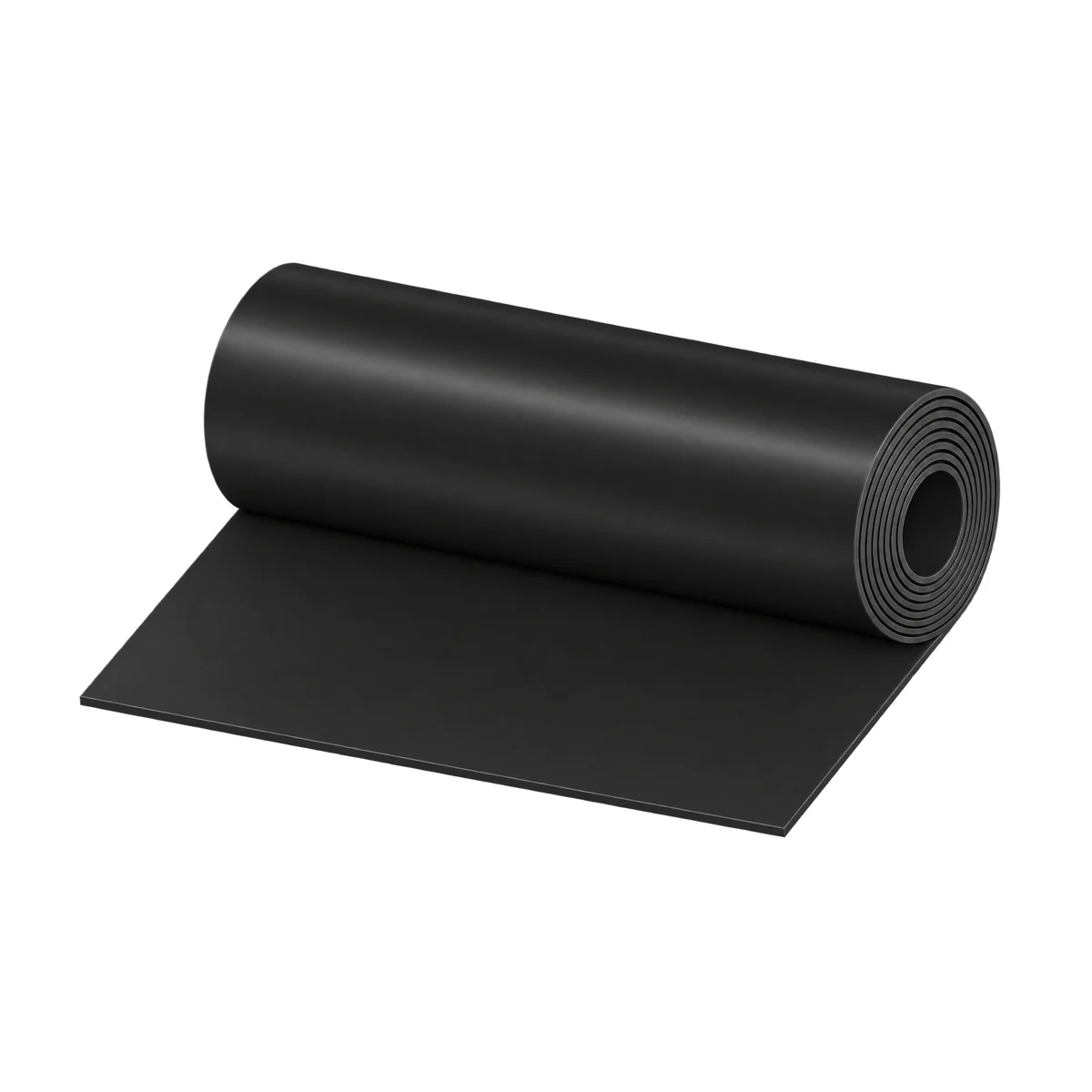
UNIJOINT RUBBER STRIP is a plain, non-reinforced natural or neoprene rubber strip or pad, made to the size ordered, that takes compressive load and isolates shock and vibration between precast or steel components.
- Technical data sheetReadPDF · 1.6 MB
- Drawings & CAD details (3)View & download
- Test report, MSDSOn request
About UNIJOINT Plain Rubber Strip / Pad
UNIJOINT RUBBER STRIP is a plain, non-reinforced elastomeric strip or pad, moulded from high quality natural or neoprene rubber to the size required. Placed between precast or steel components, it absorbs compressive load and isolates shock and vibration.
It is highly elastic and acts as a flexible layer between rigid materials, allowing controlled movement. Its compressibility takes up variations in the contact surfaces so loads spread evenly, and it seals against noise, moisture, humidity and heat.
It is also used as the rubber sheet membrane in bridge expansion joint blockouts, laid on the blockout floor and continuous across the joint, with type and thickness as specified by JKR or the engineer.
Advantages
- Rugged and durable natural or neoprene rubber
- High flexibility and bearing strength under compressive load
- Isolates and absorbs vibration, sound and shock
- Takes up surface variations and spreads load evenly
- Made to size: widths 50 – 600 mm, thicknesses 5 – 50 mm, lengths 1 – 20 m
- Lower cost than laminated elastomeric bearings
Where it is used
- Precast concrete structures
- Steel frame structures
- Corbel and nib bearings
- Suspended concrete slabs
- Short-span bridges
- Bridge expansion joint membrane
- Vibration isolation
- Other civil engineering structures
Specifications
From the UNIJOINT Plain Rubber Strip / Pad technical data sheet. Check the latest TDS for your submittal.
Shortlist a rubber strip for your load →| Material | Natural rubber / neoprene rubber, non-reinforced |
|---|---|
| Colour | Black |
| Width | 50 – 600 mm |
| Thickness | 5 – 50 mm |
| Length | 1 – 20 m |
| Supply | Made to the size ordered |
| Hardness (BS ISO 48-2) | 60 ± 5 IRHD |
| Tensile strength (BS ISO 37) | > 15 MPa |
| Elongation at break (BS ISO 37) | > 400 % |
| Compression set 24 h / 70°C (BS ISO 815-1) | < 30 % |
| Density (BS ISO 2781) | 1.18 ± 0.05 g/cm³ |
| Ozone resistance | No crack |
| After ageing 7 days at 70°C | Hardness +10 IRHD; tensile -15%; elongation -20% |
| Load table | Reference load capacities and stiffness per 1 m length, for widths 100 – 500 mm and thicknesses 6 – 50 mm, in the TDS (G = 0.9 N/mm²) |
Questions about UNIJOINT Plain Rubber Strip / Pad
What sizes can be made?
Widths 50 – 600 mm, thicknesses 5 – 50 mm and lengths 1 – 20 m, in natural or neoprene rubber, made to the size ordered so no site cutting is needed.
How much load can it carry?
The TDS has a reference table per 1 m length; for example a 150 x 10 mm strip is listed at 450 kN and a 200 x 20 mm strip at 400 kN. These figures are for reference only: the bearing size and load must be designed and approved by the project engineer.
How is it installed?
On a sound, level, dry bearing, mark the position with at least 12 mm clear to every edge, bed the strip fully on mixed epoxy resin with no voids, press it down evenly and let the epoxy cure. Then lower the member on without dragging it.
Why keep a 12 mm gap at the edges?
Rubber spreads sideways when compressed, so it needs room on all sides.
Can it be used in bridge joints?
Yes, as the rubber sheet membrane laid on the blockout floor and continuous across the joint, with type and thickness to JKR or the engineer.
Strip or laminated bearing?
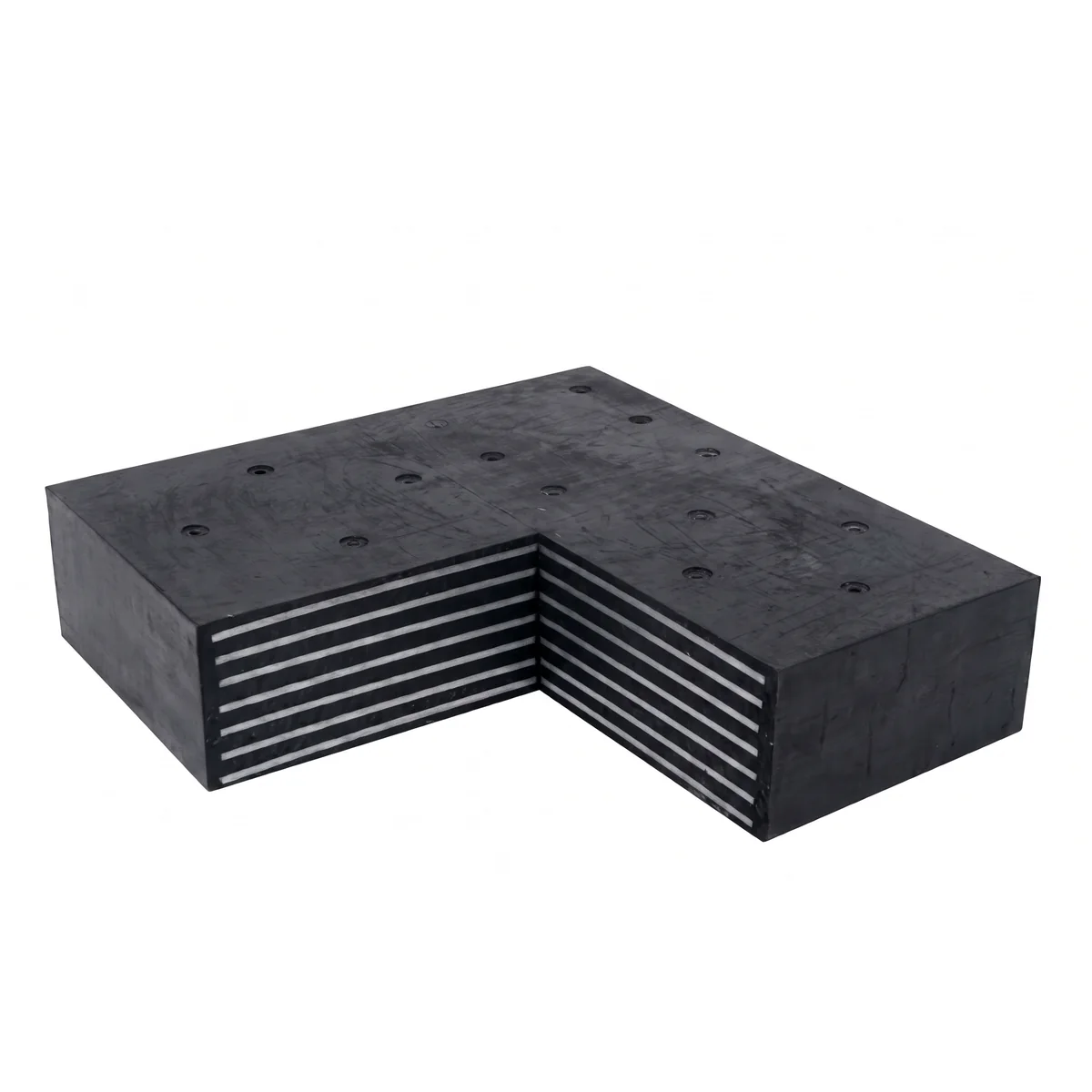
The plain strip is the economical choice for precast and steel connections and short spans. For bridge bearings with higher loads and movements, use the steel-reinforced UNIJOINT laminated rubber bearing as designed by the engineer.
Drawings & CAD details
2 PDF drawing sheets and 1 editable CAD detail (DXF / DWG). Free to download, no sign-up.
For illustration only – not for construction. Generic product details, not an engineering design. Sizes, reinforcement and installation to be designed and approved by the project engineer. Refer to the TDS.