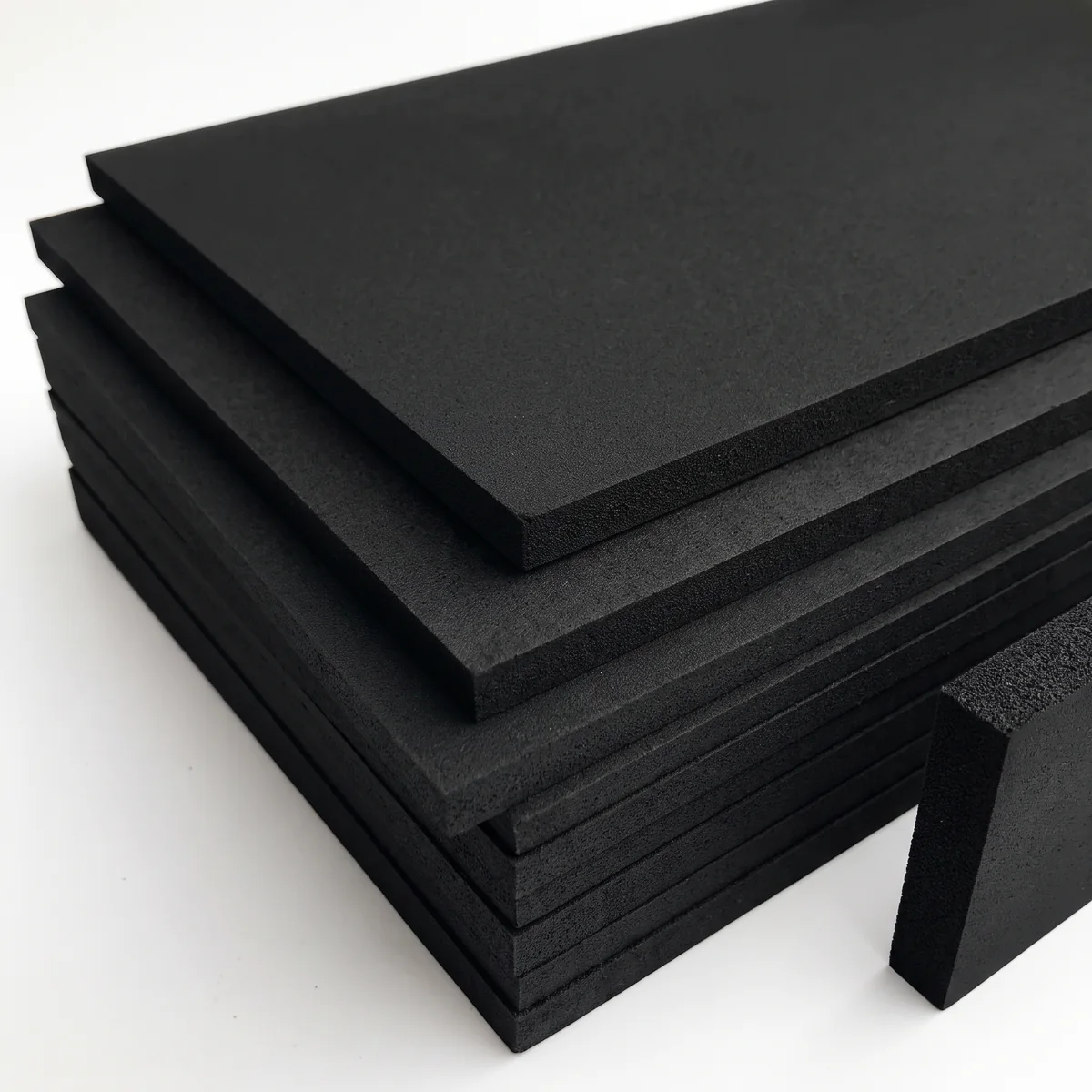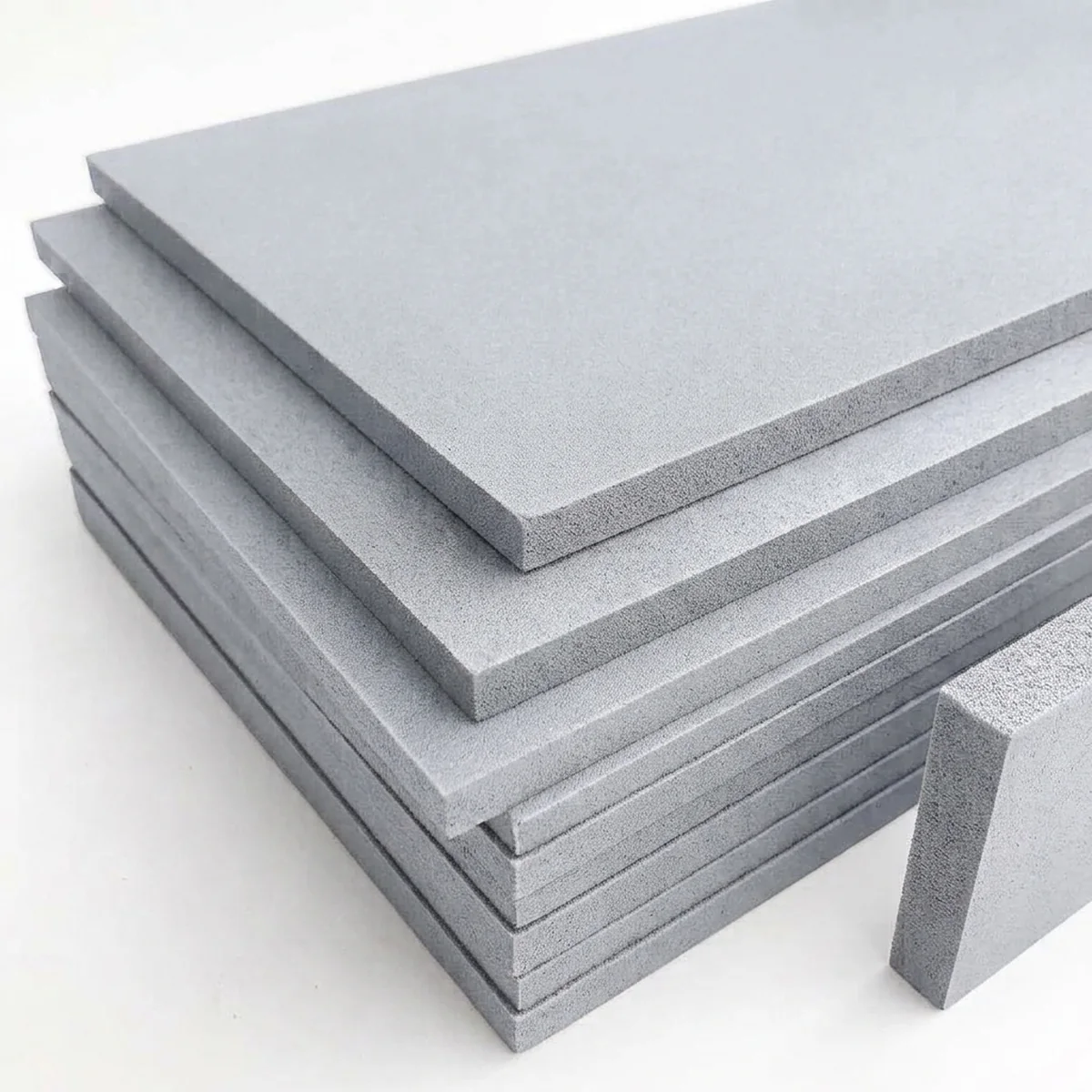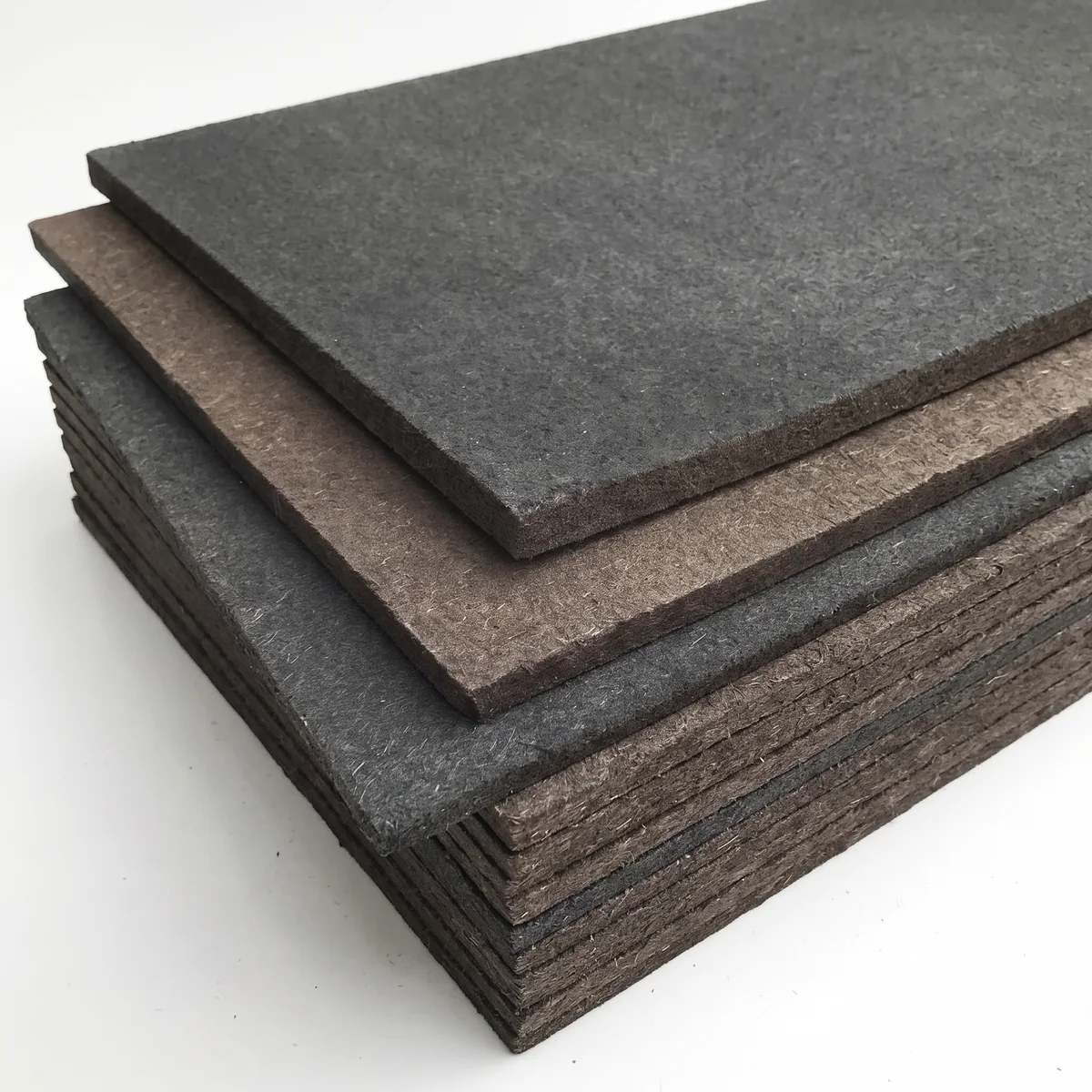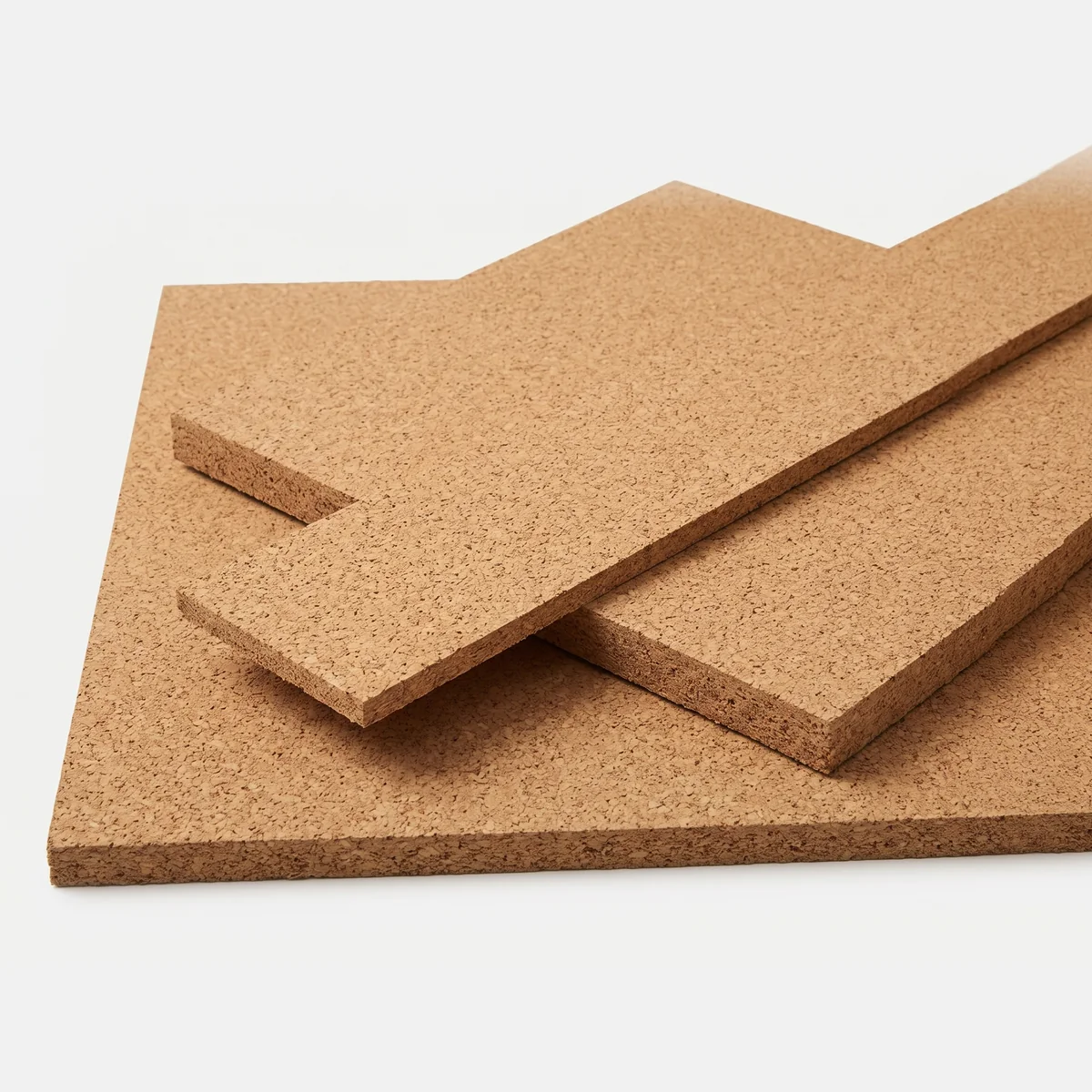
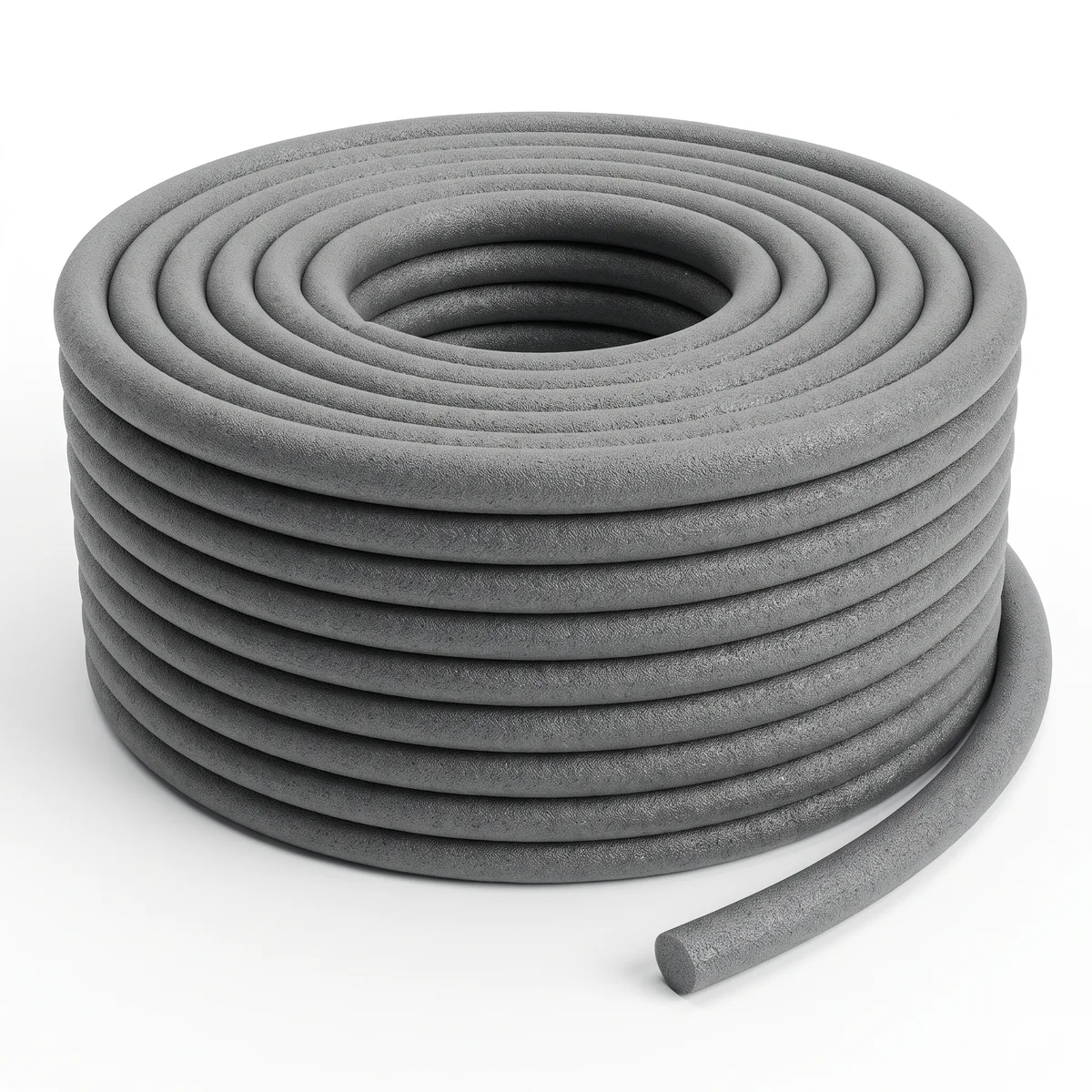
UNIFLEX®Joint Fillers & Insulation
UNIFLEX® PE Backer RodPolyethylene Foam Backing Rod
Closed cell polyethylene backer rod
UNIFLEX® PE BACKER ROD is a non-extruding, non-absorbent, bitumen-free closed cell polyethylene rod that supports the sealant, sets its depth and prevents three-sided adhesion. Suitable for drinking water contact (MS 1583, SPAN approved).
- Technical data sheetReadPDF · 2.6 MB
- Drawings & CAD details (4)View & download
- Test report, MSDSOn request
About UNIFLEX® PE Backer Rod
UNIFLEX® PE BACKER ROD is a non-extruding, non-absorbent, highly resilient, bitumen-free closed cell polyethylene backing rod for cold-applied elastomeric joint sealants, giving a watertight and airtight seal in expansion and movement joints in concrete, brickwork, blockwork and masonry.
It supports the sealant and sets its depth so the sealant is applied at the correct width-to-depth ratio. The sealant does not bond to the rod, which prevents three-sided adhesion and leaves the sealant free to stretch and compress with the joint.
It is rot-proof with high compression and recovery, so it stays tight as the joint opens and closes. It is suitable for drinking water contact: tested to MS 1583 and cytotoxicity test, SPAN approved.
Advantages
- Controls joint depth and ensures a proper width to depth ratio
- Non-absorbent surface eliminates three-sided adhesion of the sealant
- Bitumen free and rot proof, ideal for water retaining structures
- Closed cell structure does not absorb moisture or air
- Compatible with a wide variety of sealants
- Suitable for drinking water contact (MS 1583, SPAN approved)
- Efficient and cost-effective
Where it is used
- Brickwork, blockwork and masonry
- Expansion, isolation and control joints
- Highway and pavement joints
- Parking decks
- Curtain walls
- Precast panels
- Window and door applications
- Repair work
Specifications
From the UNIFLEX® PE Backer Rod technical data sheet. Check the latest TDS for your submittal.
Estimate how much you need →| Material | Closed cell polyethylene (PE) |
|---|---|
| Colour | Grey |
| Density | 40 kg/m³ |
| Longitudinal elongation | 15 % |
| Elasticity | 10 % |
| Water absorption | Nil |
| Resistance to solvents | Good |
| Resistance to deformation / dimensional stability | Excellent |
| Service temperature | -40 to +80°C |
| Sizes | 10mm – 400m/box; 15mm – 150m/box; 20 & 25mm – 100m/box; 30mm – 50m/box; 40 & 50mm – 2m lengths, 25 lengths (50m)/box (other sizes on request) |
| Packaging | Boxed (quantity per box as listed under Sizes) |
| Drinking water | Tested to MS 1583 and cytotoxicity test, SPAN approved |
| Shelf life | 12 months under cover in original packaging |
Questions about UNIFLEX® PE Backer Rod
What size backer rod should I use?
A diameter about 25% larger than the joint width, so the rod stays compressed and in place while sealing. For example, a 20 mm joint takes a 25 mm rod.
Why use a backer rod?
It sets the sealant depth at the correct width-to-depth ratio and stops the sealant bonding to the base of the joint (three-sided adhesion), so the sealant can move freely with the joint.
How is it installed?
Clean the joint, cut the rod to length with a sharp knife and press it in with a blunt tool to leave the specified sealant depth. Do not puncture, stretch or twist it, then seal with a UNISEAL® sealant.
Is it suitable for drinking water tanks?
Yes. It is bitumen-free and rot-proof, tested to MS 1583 and cytotoxicity test, and SPAN approved for drinking water contact.
What sizes are available?
10, 15, 20, 25 and 30 mm diameter in continuous lengths of 50 to 400 m per box, and 40 and 50 mm in 2 m lengths, 25 lengths (50 m) per box. Other sizes on request.
Should it be used in a fire-rated joint?
No. A standard backer rod is not fire rated; the UNISEAL® VT-629 fire-rated system uses UNIFLEX® PE FR fillerboard as the backing instead.
Guides
Drawings & CAD details
1 PDF drawing sheet and 3 editable CAD details (DXF / DWG). Free to download, no sign-up.
For illustration only – not for construction. Generic product details, not an engineering design. Sizes, reinforcement and installation to be designed and approved by the project engineer. Refer to the TDS.