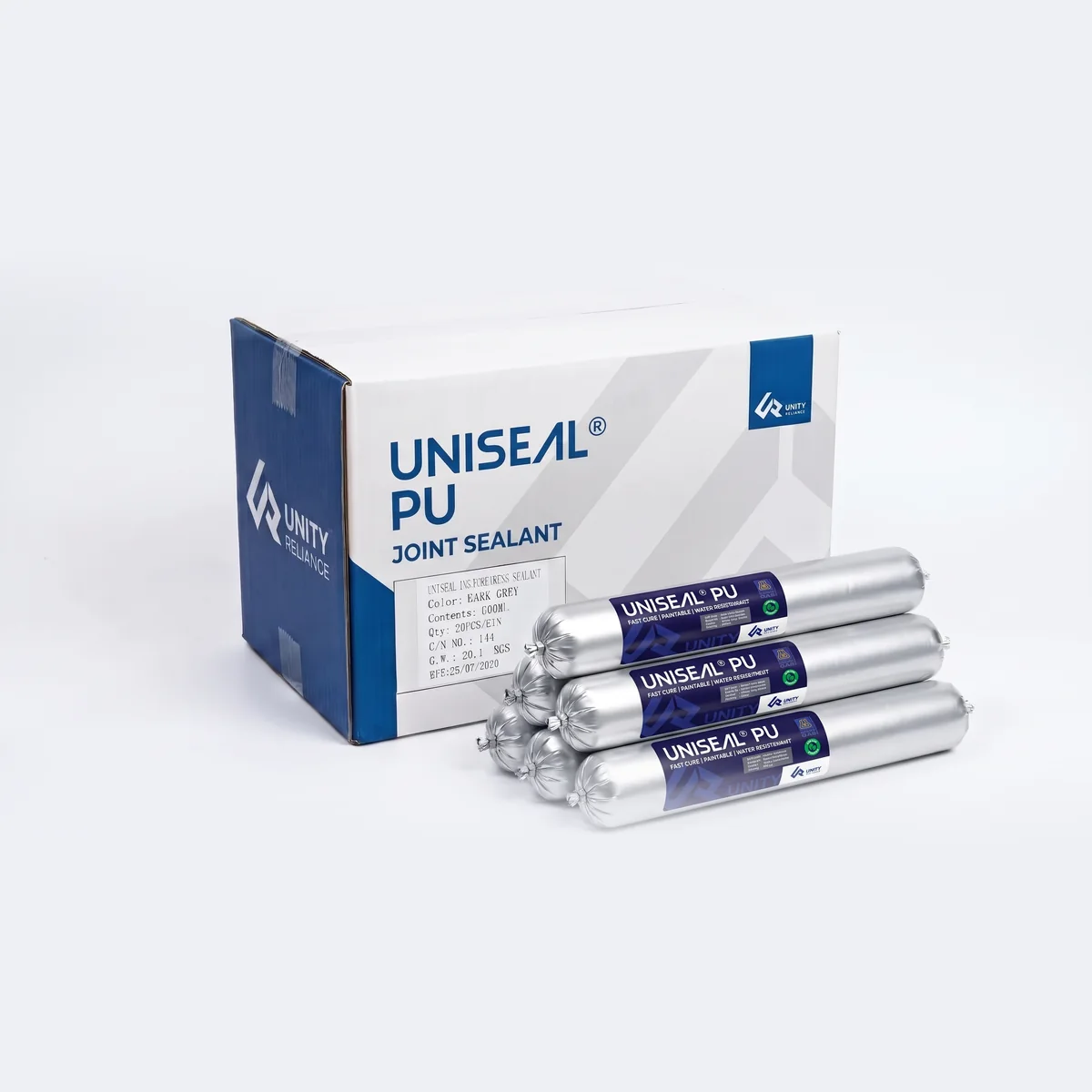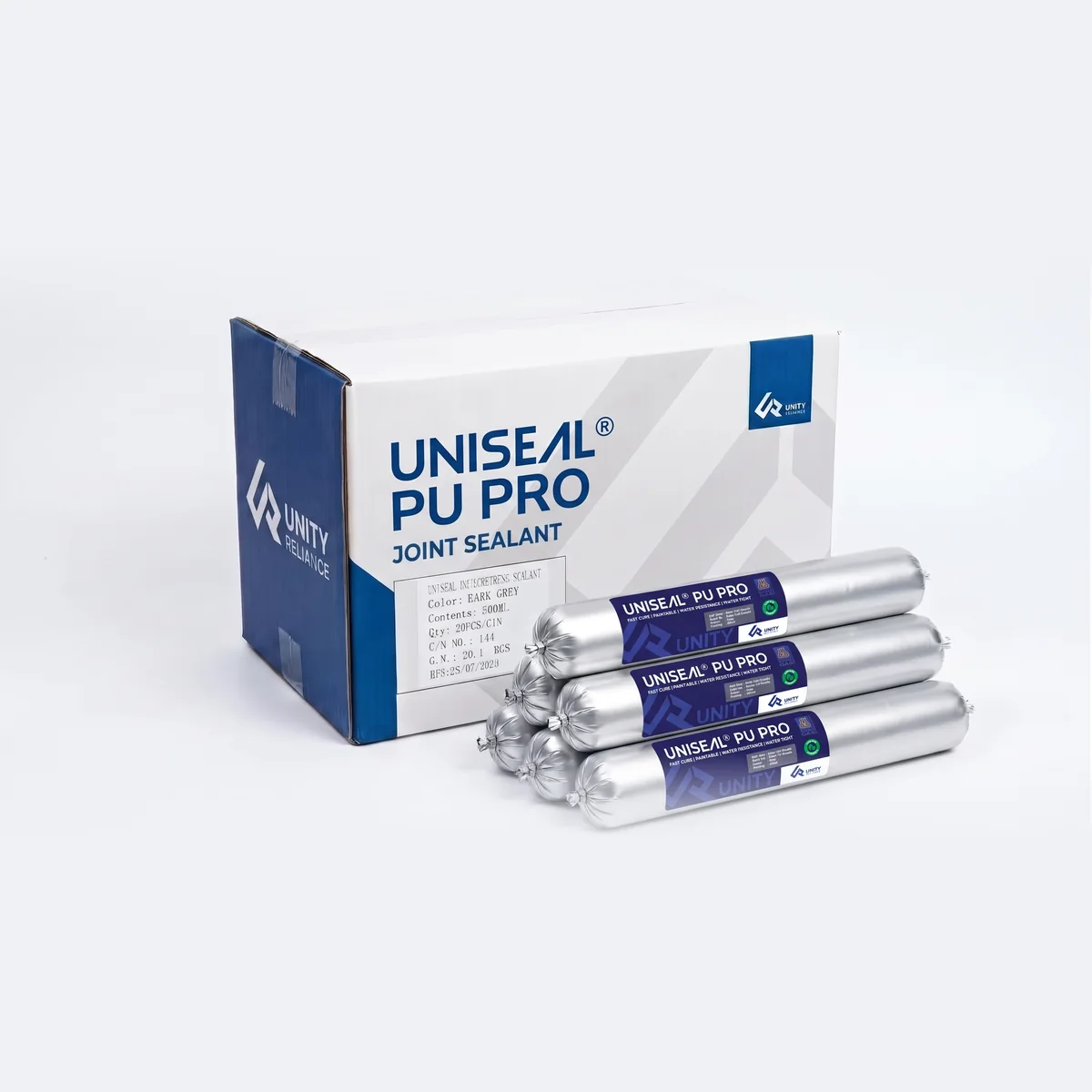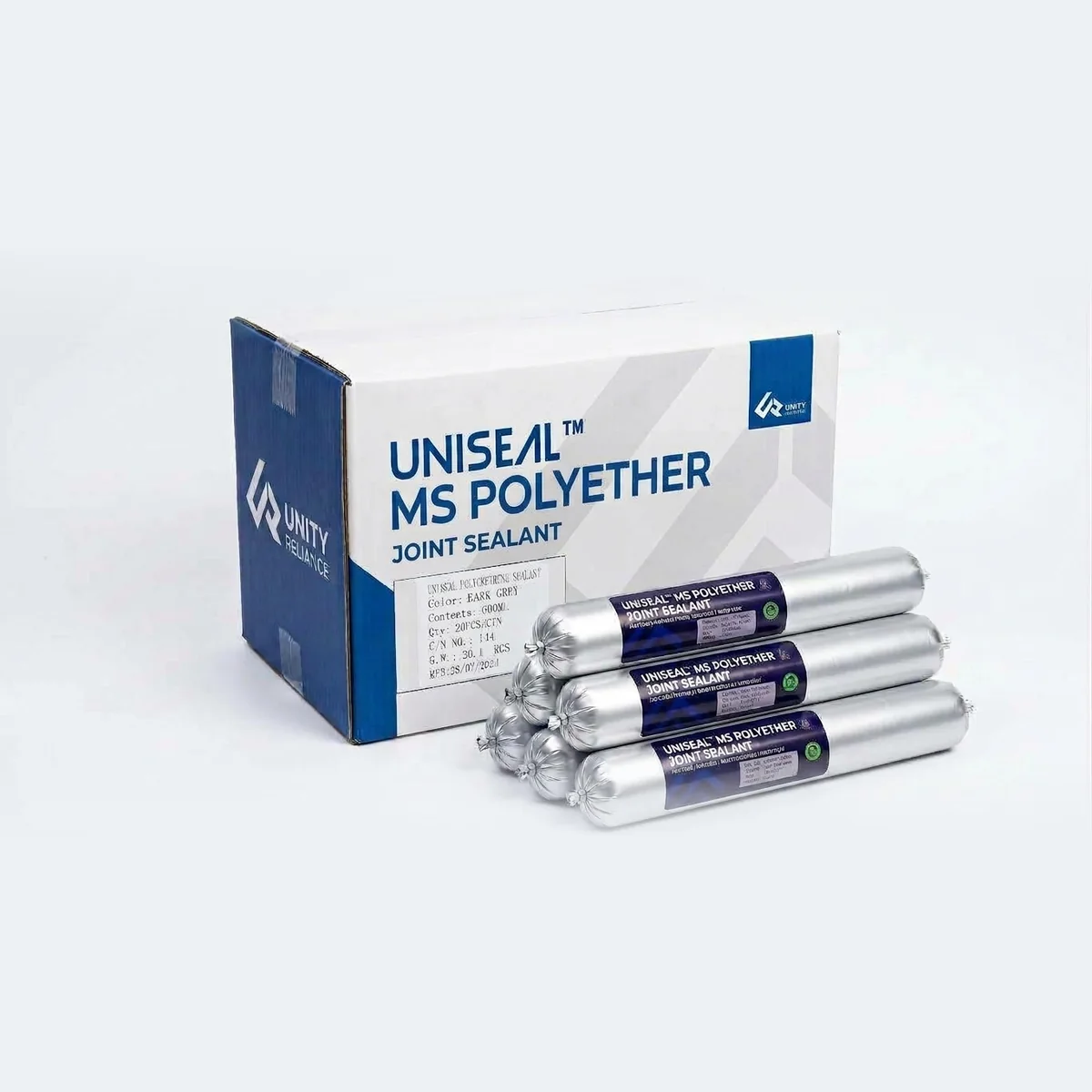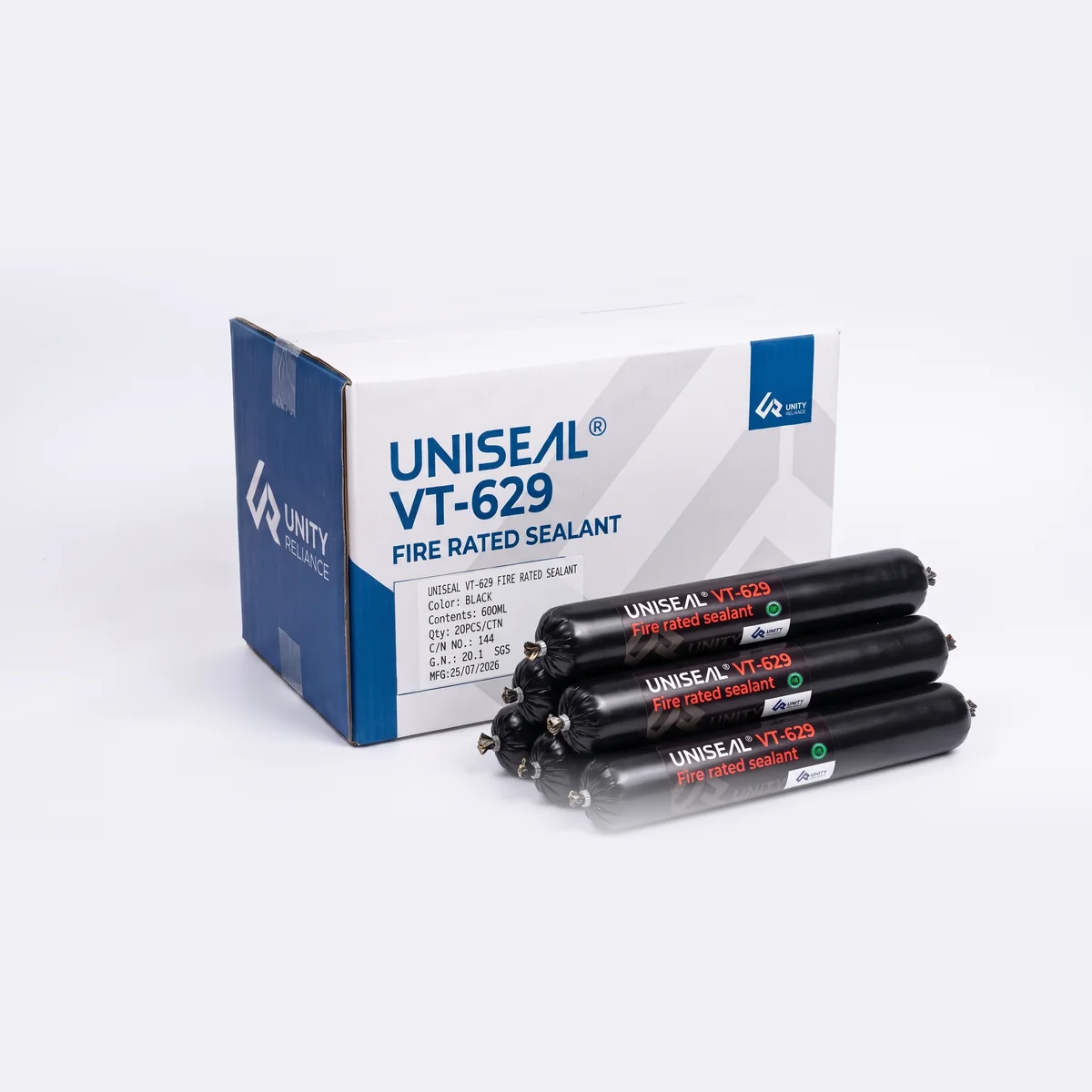

UNISEAL®Joint Sealants
UNISEAL® AP77Asphaltic Plug Bridge Expansion Joint
Hot-applied bridge joint sealant / asphaltic plug binder
UNISEAL® AP77 BITUMEN JOINT is a hot-applied blend of synthetic rubber, additives, mineral filler and special bitumen, used as the binder for asphaltic plug bridge expansion joints and as a joint sealant for pavements, aprons and roads.
- Technical data sheetReadPDF · 2.6 MB
- Drawings & CAD details (9)View & download
- Test report, MSDSOn request
About UNISEAL® AP77 Asphaltic Plug Joint
AP77 BITUMEN JOINT is a homogeneous mixture of synthetic rubber, chemical additive, mineral filler and a special bitumen compound, designed as an expansion joint sealant for horizontal joints in asphalt or concrete pavement, airfield aprons, bridges, roads, cargo terminals, warehouses and parking areas.
It stays solid, stable and flexible in extreme tropical weather and adheres well to concrete and asphalt. It gives very high extension over a wide range of service temperatures, high flow resistance, and pours well below its maximum heating temperature without the rubber separating.
It is the binder for asphaltic plug bridge expansion joints and the nosing either side of UNIJOINT RJ modules. AP77 BITUMEN JOINT is formulated to ASTM D1190 and BS 2499.
Advantages
- Tropical weather resistance: stable and flexible in severe tropical climates
- Excellent adhesion to concrete and asphalt
- Easy pourability below maximum heating temperature without rubber separation
- Homogeneous blend of synthetic rubber, bitumen and additives
- Formulated to ASTM D1190 and BS 2499
Where it is used
- Bridges (asphaltic plug joints and nosings)
- Roads
- Pavements
- Warehouses
- Urban infrastructure
- Parking areas
- Airfield aprons
- Cargo terminals
- Floor joints in tunnels / subways
- Ports and harbour infrastructure
Specifications
From the UNISEAL® AP77 Asphaltic Plug Joint technical data sheet. Check the latest TDS for your submittal.
| Material | Rubberised bitumen |
|---|---|
| Colour | Black |
| Softening point (ASTM D36) | > 95°C |
| Flash point (ASTM D92) | Approx. 250°C |
| Flow resistance (ASTM D1191) | 1 mm max @ 60°C, 5 h |
| Cone penetration (ASTM D217) | 10 - 30 dmm @ 25°C |
| Extension (BS 2499, 25°C) | 50%, 3 cycles |
| Pouring temperature | 180 - 200°C |
| Application temperature | > 5°C |
| Solid content | 100% |
| Coverage | kg per linear metre = width (mm) x depth (mm) x 0.0016 |
| Primer | UNICOAT BITUMEN 300 on concrete, stone and brick paving |
| Packing | 20 kg / carton |
| Shelf life | 36 months unopened, dry storage |
Questions about UNISEAL® AP77 Asphaltic Plug Joint
How much AP77 do I need?
kg per linear metre = width (mm) x depth (mm) x 0.0016. A 10 x 25 mm joint takes about 0.40 kg/m and a 30 x 25 mm joint about 1.20 kg/m; allow for site wastage.
Does it need a primer?
Yes, on concrete, stone and brick paving: prime with UNICOAT BITUMEN 300, let it dry at least 30 minutes, and pour within 6 hours. Never pour onto a damp surface.
How is it heated?
In a kettle with a thermometer, oil jacket and stirrer. Pour at 180 - 200°C and never above 200°C. Use within 2 hours of melting and do not re-heat material that has gone cold.
What aggregate is used in an asphaltic plug joint?
The TDS recommends aggregate with AAV max 5.0, PSV min 62, AIV max 16 and ACV max 10 to 25%.
What safety precautions apply?
Ventilate well and wear gloves, boots and overalls. Never let hot AP77 contact water, never heat a sealed container from the bottom, and keep a foam or dry powder extinguisher and sand at the kettle; never use water on a bitumen fire.
How is it packed?
20 kg cartons, with a shelf life of 36 months unopened in dry storage.
Drawings & CAD details
5 PDF drawing sheets and 4 editable CAD details (DXF / DWG). Free to download, no sign-up.
UNISEAL® AP77 Asphaltic Plug Joint – 3D
UNISEAL® AP77 Asphaltic Plug Joint
Bridge Highway Joint System – 3D
Bridge Highway Joint System
For illustration only – not for construction. Generic product details, not an engineering design. Sizes, reinforcement and installation to be designed and approved by the project engineer. Refer to the TDS.