UNISTOP®Waterstops
UNISTOP® TPRThermoplastic Rubber Waterstop
Thermoplastic rubber waterstop
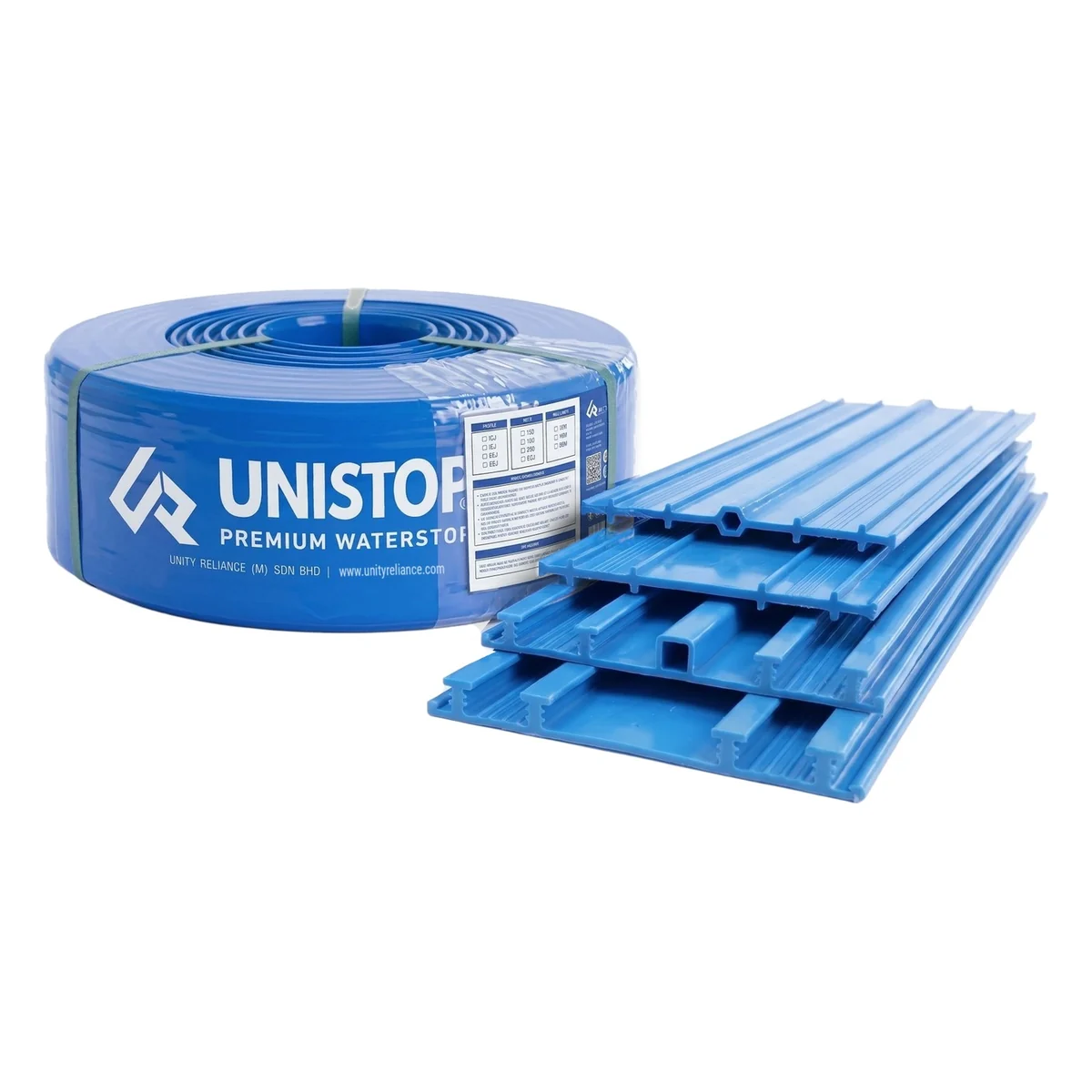
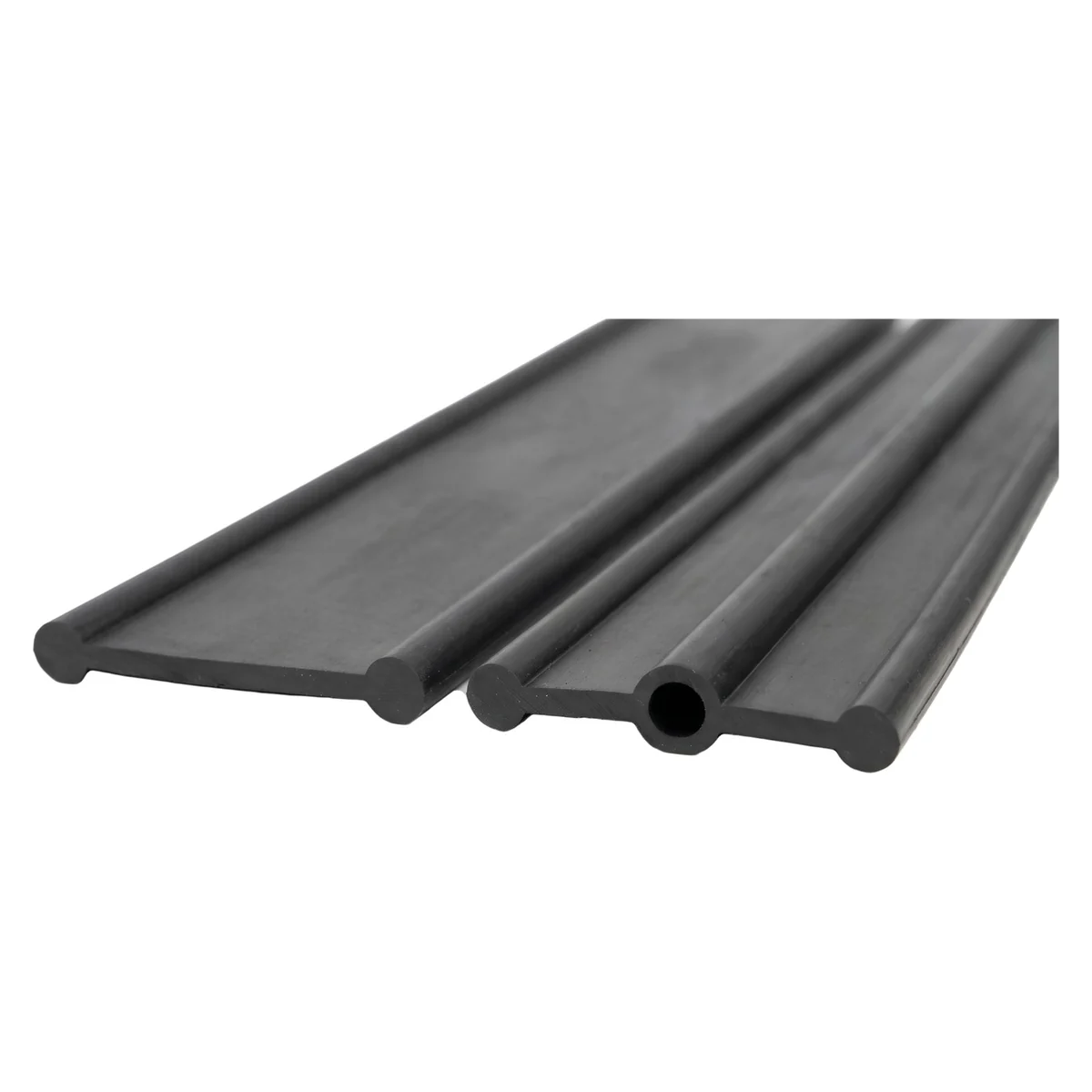
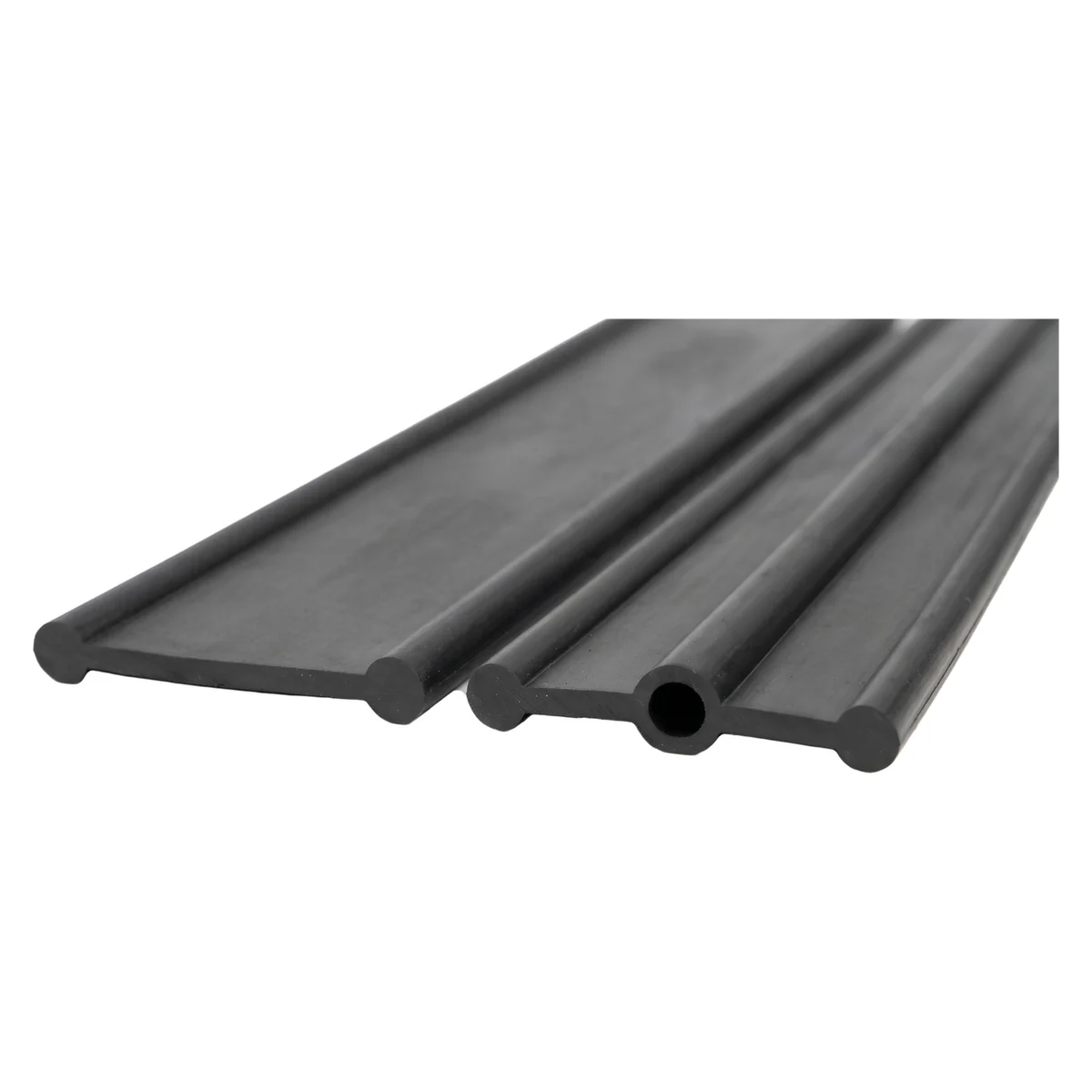
UNISTOP® TPR is an extruded thermo rubber waterstop of PVC and rubber, free from reclaimed or vulcanised waste. It is flexible like rubber but heat-welds on site like PVC. DB and CB profiles in 150, 230 and 305 mm.
- Technical data sheetReadPDF · 1.4 MB
- Drawings & CAD details (5)View & download
- Test report, MSDSOn request
About UNISTOP® TPR Thermo Rubber Waterstop
The UNISTOP® TPR Thermo Rubber Waterstop range is extruded from a specially formulated blend of high-quality PVC and rubber compounds, produced without reclaimed or vulcanised waste for consistent quality. It gives excellent flexibility, durability and movement accommodation in concrete structures.
It is cast into construction and expansion joints as an integral sealing system that stops liquids passing under pressure, particularly in water-retaining and water-excluding structures with high movement and water pressure.
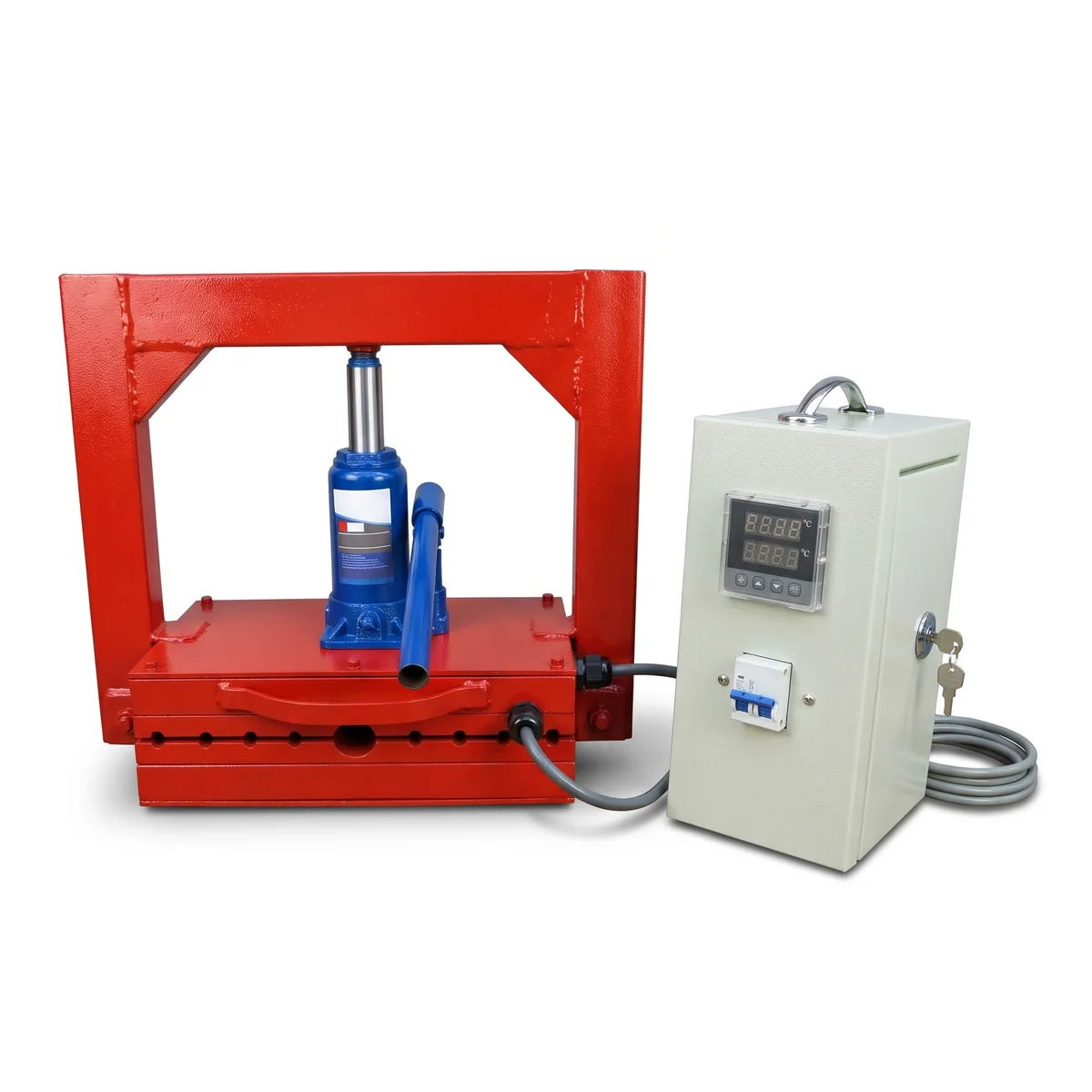
Being thermoplastic, it heat-welds on site with an electric heater blade, without vulcanising.
Advantages
- Easy to install and weld on site
- Thermoplastic material that welds without vulcanising
- Prefabricated intersections to minimise on-site heat jointing
- Withstands high hydrostatic head and water pressure
- Resistant to ageing, corrosion, weather, acid, alkali and metal salts
- Superior long-term durability
- Reliable watertight sealing
Where it is used
- Water tanks and reservoirs
- Water and sewerage treatment plants
- Dams, culverts and spillways
- Swimming pools
- Bund walls
- Basements and underground car parks
- Tunnels and subways
- Retaining walls
- Roof decks and podium areas
- Lift pits and service pits
Specifications
From the UNISTOP® TPR Thermo Rubber Waterstop technical data sheet. Check the latest TDS for your submittal.
| Material | Polyvinyl chloride (PVC) and rubber blend |
|---|---|
| Colour | Black |
| Profiles | DB (dumbbell) and CB (centre bulb): 150, 230, 305 mm |
| Packaging | 20 m (150 mm), 15 m (230 mm), 15 m (305 mm); other packing on request |
| Tensile strength (ASTM D638) | > 20 MPa |
| Elongation at break (ASTM D638) | > 400% |
| Hardness (BS EN ISO 868) | 80 ± 5 Shore A |
| Specific gravity (BS EN ISO 1183-1) | 1.30 ± 0.05 |
| Water absorption, 23°C (BS EN ISO 62) | < 0.5% |
| Melting temperature | 180 – 200°C |
| Test basis | Independent laboratory tests (2025); report on request |
| Drawing | UR-ST-05 |
Questions about UNISTOP® TPR Thermo Rubber Waterstop
How is UNISTOP® TPR jointed on site?
Cut both ends square, clean and dry, heat them together on an electric heater blade at about 180°C until they melt (without charring), then press them firmly together, aligned, and hold until cool. Limit site welds to straight butt joints and use factory L, T and X intersections at junctions.
Which profile do I use?
UNISTOP® TPR DB at construction joints and TPR CB at expansion joints, with the centre bulb left exposed in the joint gap, not cast into the concrete.
How is it fixed?
Centre it on the joint, clamp it in split formwork and tie the outer edges to the reinforcement with wire. Never nail or hole the waterstop. Compact the concrete fully around it.
TPR or natural rubber?
TPR welds on site with a heater blade like PVC, with no vulcanising kit. Natural rubber (UNISTOP® NR) has higher elongation (680% against 460%) for very large movements but needs hot or cold vulcanising.
What roll lengths are available?
20 m for 150 mm and 15 m for 230 and 305 mm; other packing on request.
Guides
Drawings & CAD details
1 PDF drawing sheet and 4 editable CAD details (DXF / DWG). Free to download, no sign-up.
For illustration only – not for construction. Generic product details, not an engineering design. Sizes, reinforcement and installation to be designed and approved by the project engineer. Refer to the TDS.