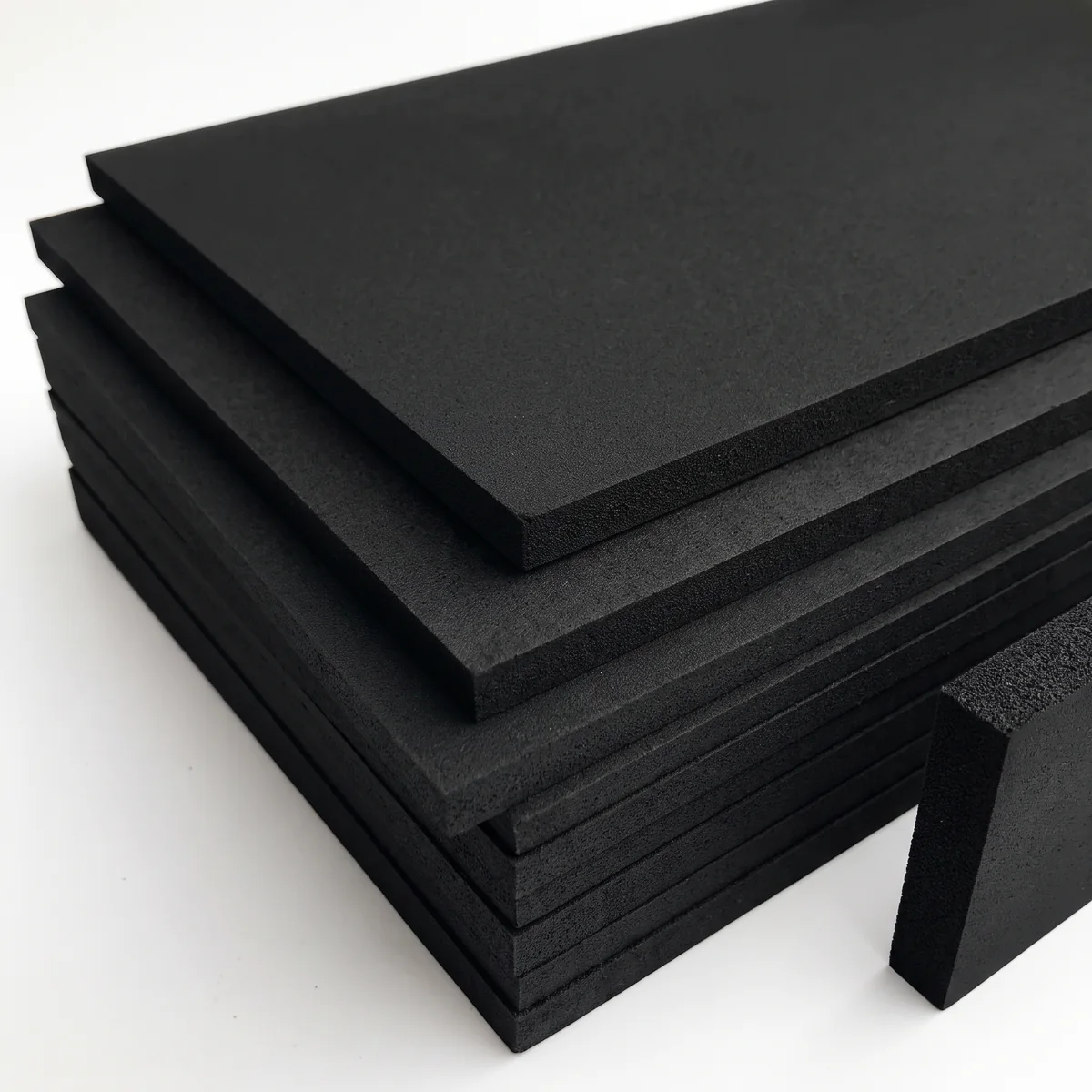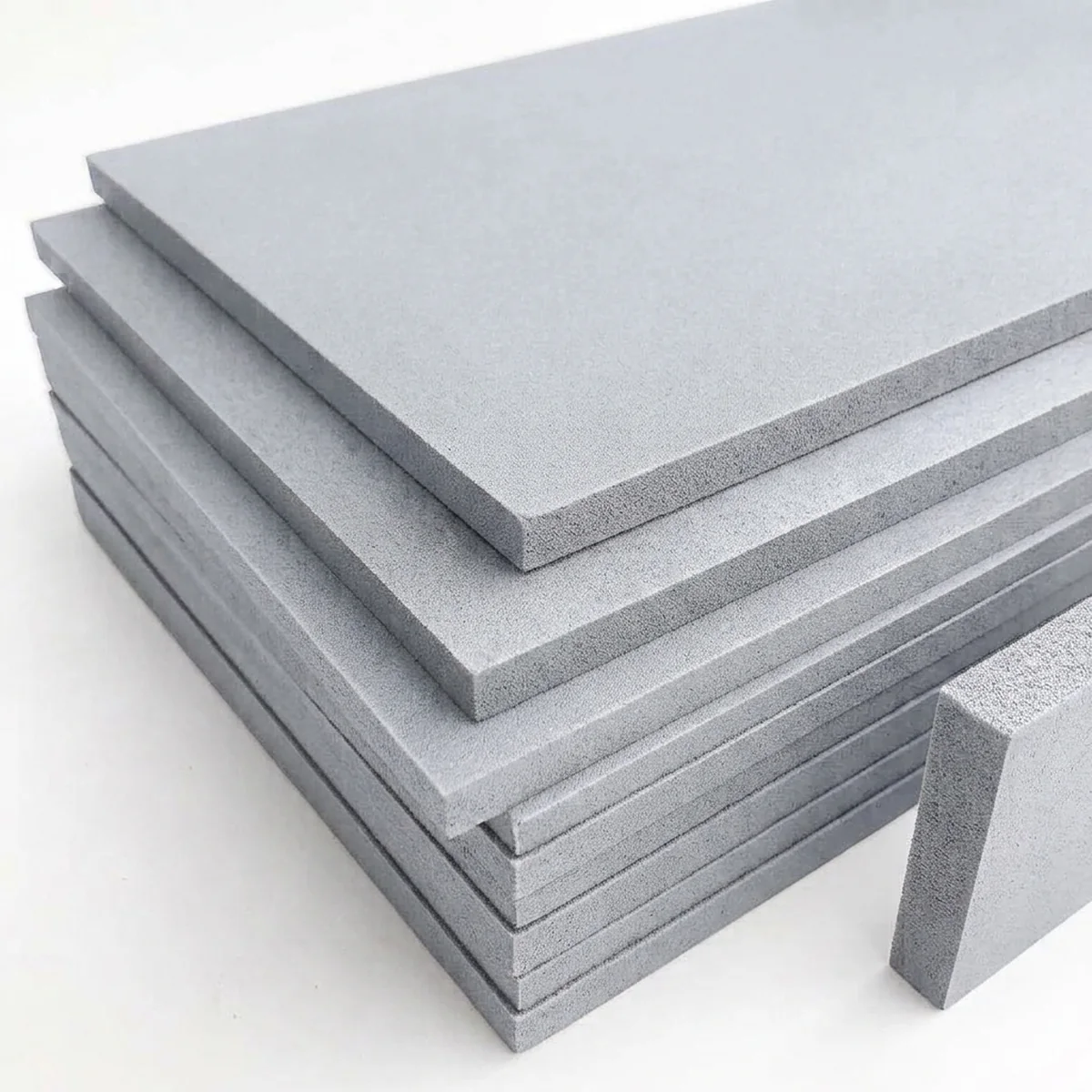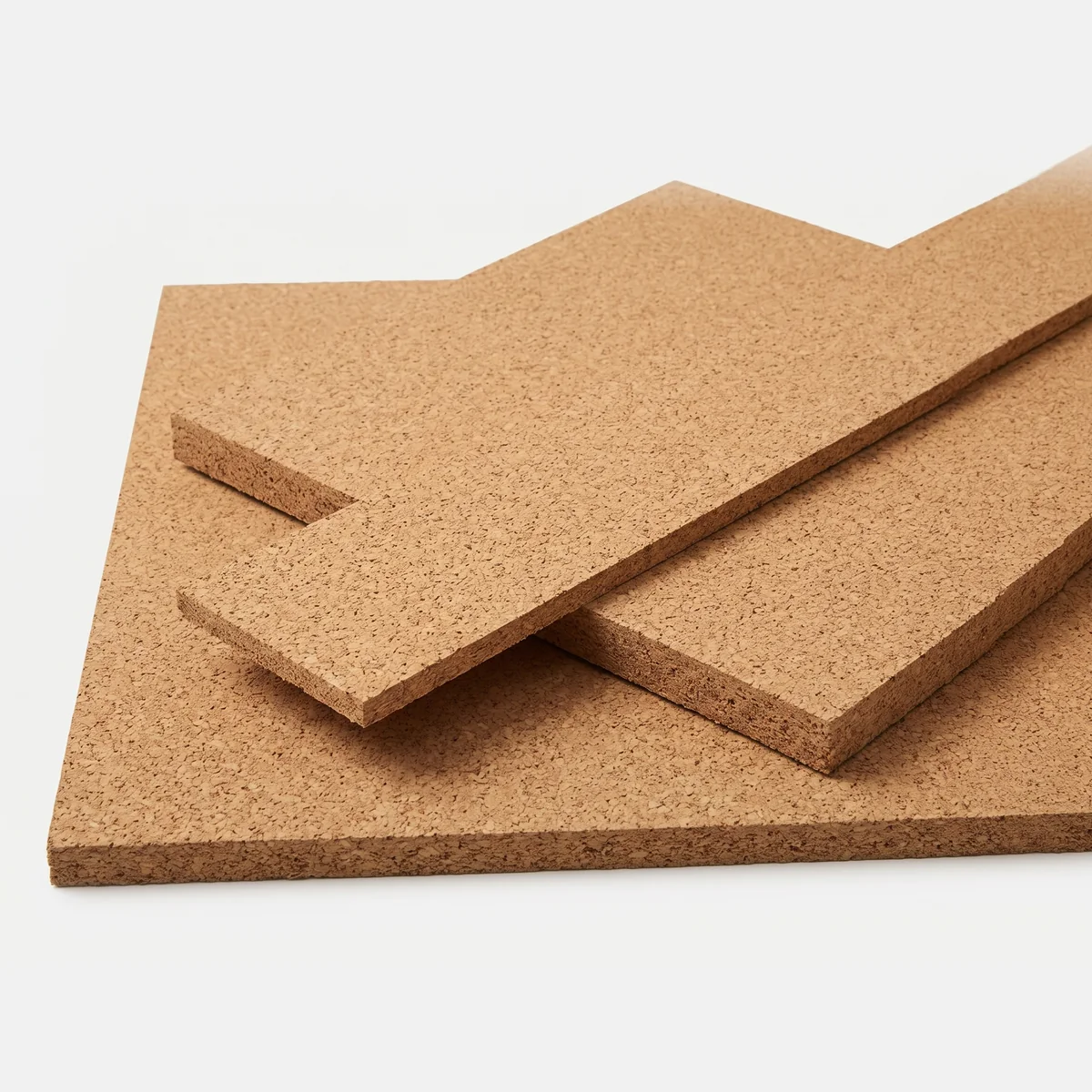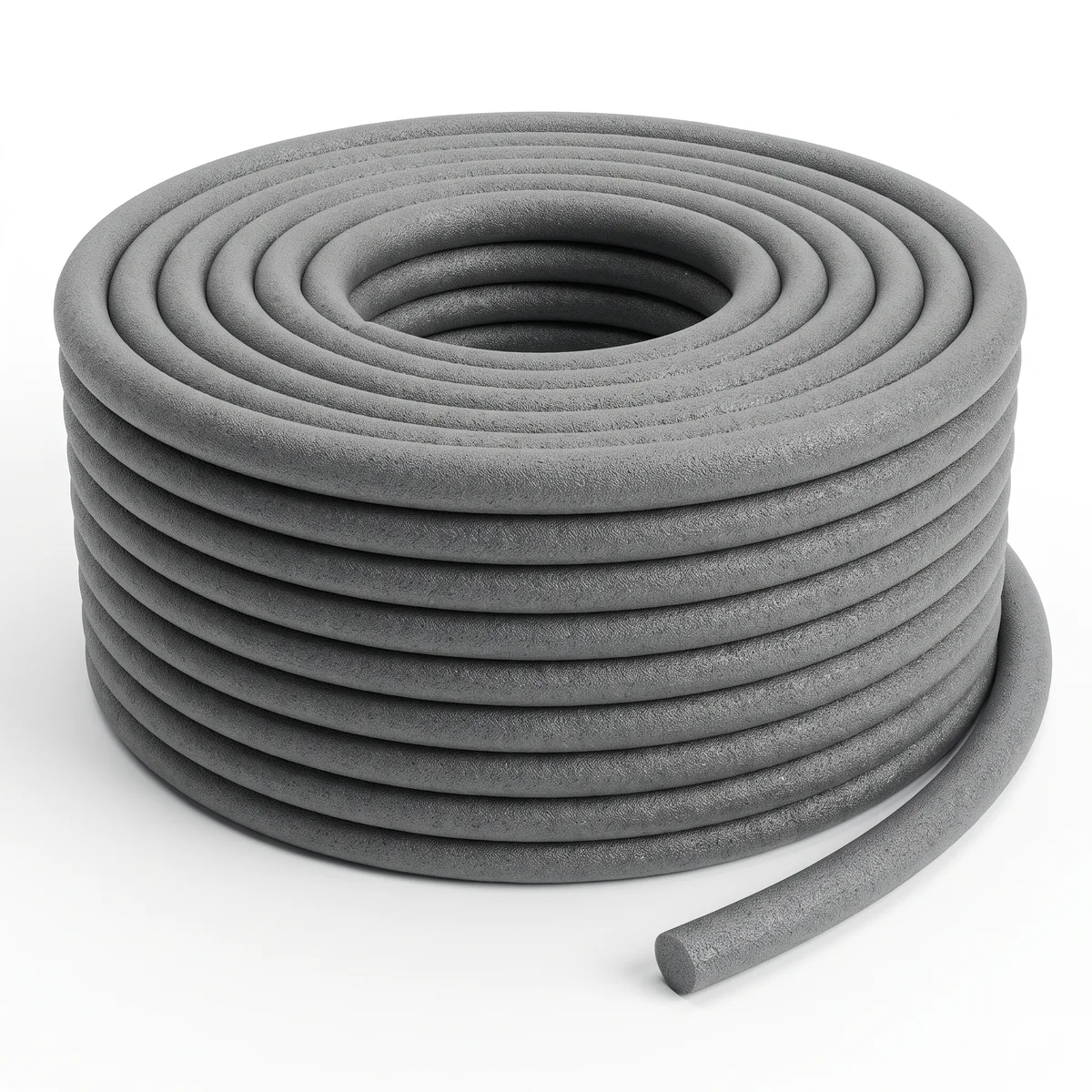
UNIFLEX®Joint Fillers & Insulation
UNIFLEX® FBBitumen Impregnated Fibre Fillerboard
Bituminous fibreboard joint filler
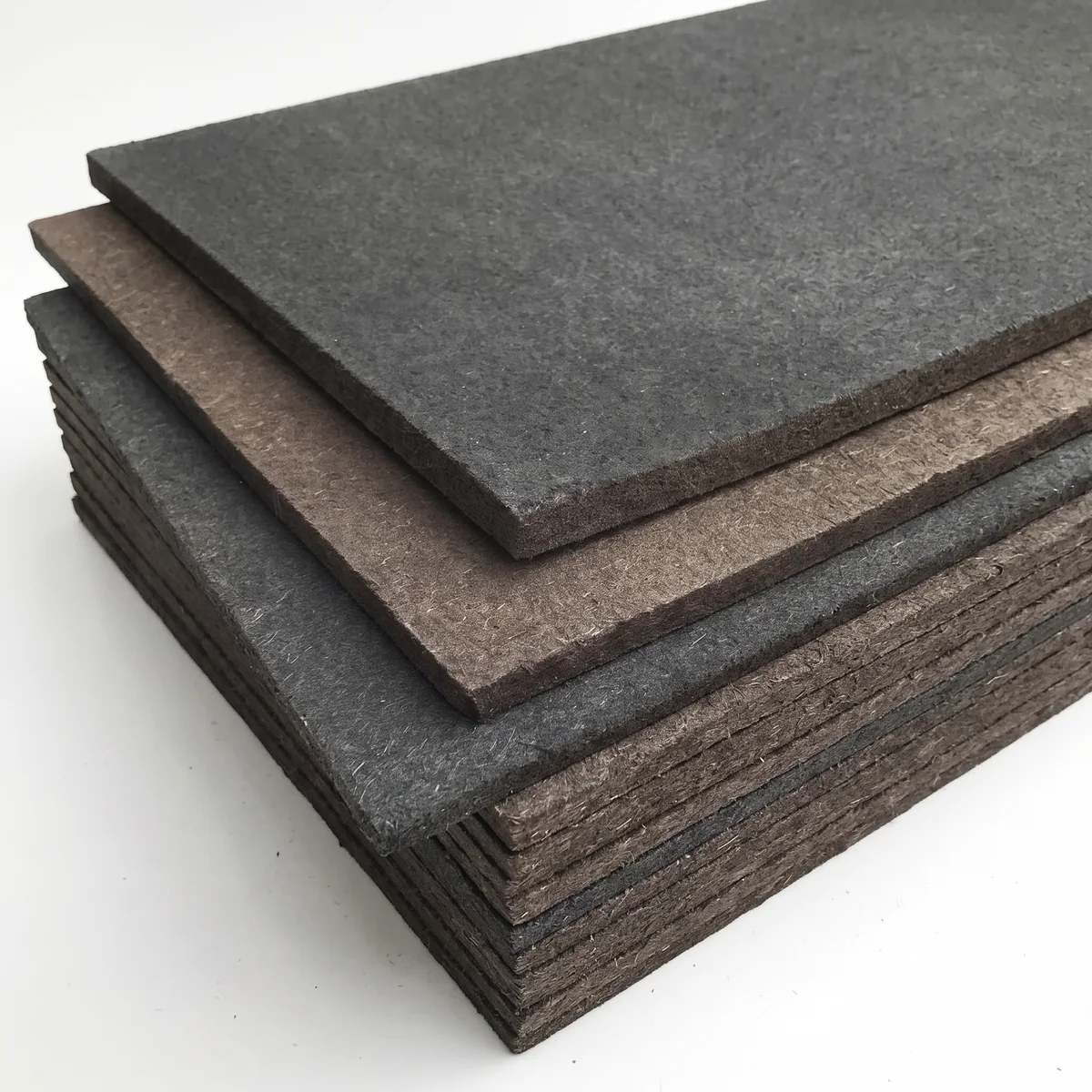
UNIFLEX® FB is a bitumen-impregnated sugar cane fibreboard joint filler that meets the compression and recovery requirements of ASTM D1751. It is resilient, light, easy to cut and does not extrude under compression.
- Technical data sheetReadPDF · 1.7 MB
- Drawings & CAD details (3)View & download
- Test report, MSDSOn request
About UNIFLEX® FB Bituminous Fibreboard
UNIFLEX® FB is a bitumen-impregnated fibreboard joint filler made from sugar cane fibre and bitumen. It is a resilient, compressible board for forming and filling expansion and isolation joints in in-situ concrete, and meets the compression and recovery requirements of ASTM D1751.
The board is light, easy to cut and handle, does not extrude under compression and has low water absorption. It comes in standard sheets and can be cut into strips to suit the slab depth.
It can be sealed directly with bitumen-based sealants such as UNISEAL® BITUFLEX. PU, PS and MS sealants must not touch the board: separate them with UNIFLEX® PE Bond Breaker Tape or Backer Rod.
Advantages
- Meets ASTM D1751 compression and recovery
- Low water absorption
- Does not extrude under compression
- Recovers 75 - 80% after 50% compression
- Light, easy to cut and handle
- Supplied in sheets or cut to strips
Where it is used
- Heavy traffic surfaces: concrete roadways, highways, airport runways
- Paving and infrastructure: driveways, aprons, walkways, curbs and gutters
- Reinforced concrete structures: piers, retaining walls and bridge abutments
- Paving insets and interfaces: drainage channels, manholes and slab flooring
- Internal slabs, concrete flatwork and floor systems
- Protection board over waterproofing membranes during backfilling or concreting
Specifications
From the UNIFLEX® FB Bituminous Fibreboard technical data sheet. Check the latest TDS for your submittal.
Estimate how much you need →| Material | Bitumen-impregnated fibreboard (sugar cane fibre and bitumen) |
|---|---|
| Bitumen content | 35% |
| Colour | Dark brown |
| Sheet size | 2.44 m x 1.22 m / 2.20 m x 1.22 m |
| Thickness | 10, 12, 18 & 25 mm |
| Strips | Cut to width on request |
| Density (ASTM D1751) | 330 - 350 kg/m³ |
| Water absorption (ASTM D1751) | 15 % |
| Asphalt content (ASTM D1751) | 36 - 37 % |
| Compression to 50% (ASTM D1751) | 2800 - 3200 kPa |
| Loss in weight (ASTM D1751) | 0.1 - 0.2 % |
| Extrusion (ASTM D1751) | 0.5 mm |
| Recovery, 10 min @ 50% (ASTM D1751) | 75 - 80 % |
| Joint sealant | Bitumen-based direct; PU, PS or MS over a bond breaker |
| Note | Test values for 25 mm, 35% bitumen; 5-10% tolerance |
Questions about UNIFLEX® FB Bituminous Fibreboard
Can I seal directly onto UNIFLEX® FB?
Only with bitumen-based sealants such as UNISEAL® BITUFLEX. PU, PS and MS sealants must not touch the board, because the mobile bitumen in it can degrade them. Separate them with UNIFLEX® PE Bond Breaker Tape or Backer Rod.
What sizes are available?
Sheets of 2.44 m x 1.22 m or 2.20 m x 1.22 m in 10, 12, 18 and 25 mm thickness. Strips can be cut to width on request.
How is the sealant slot formed?
Either place a removable timber former on top of the board, or install the board to full slab depth and cut it back to the sealant depth later. The second method suits estate roads and heavy-traffic areas that are sealed after all adjacent work is finished.
Can it be used as a protection board?
Yes. Fix it to the waterproofing coating or membrane with a compatible adhesive in full contact; it protects the membrane from puncture during backfilling or concreting.
Where should it not be used?
Not in joints that are permanently wet or submerged. For water-retaining structures use the closed-cell UNIFLEX® PE Filler Board.
How should it be stored?
Under cover in dry conditions. As with all organic materials, prolonged storage in wet or damp conditions carries a slight risk of spontaneous combustion.
Guides
Drawings & CAD details
3 PDF drawing sheets. Free to download, no sign-up.
For illustration only – not for construction. Generic product details, not an engineering design. Sizes, reinforcement and installation to be designed and approved by the project engineer. Refer to the TDS.