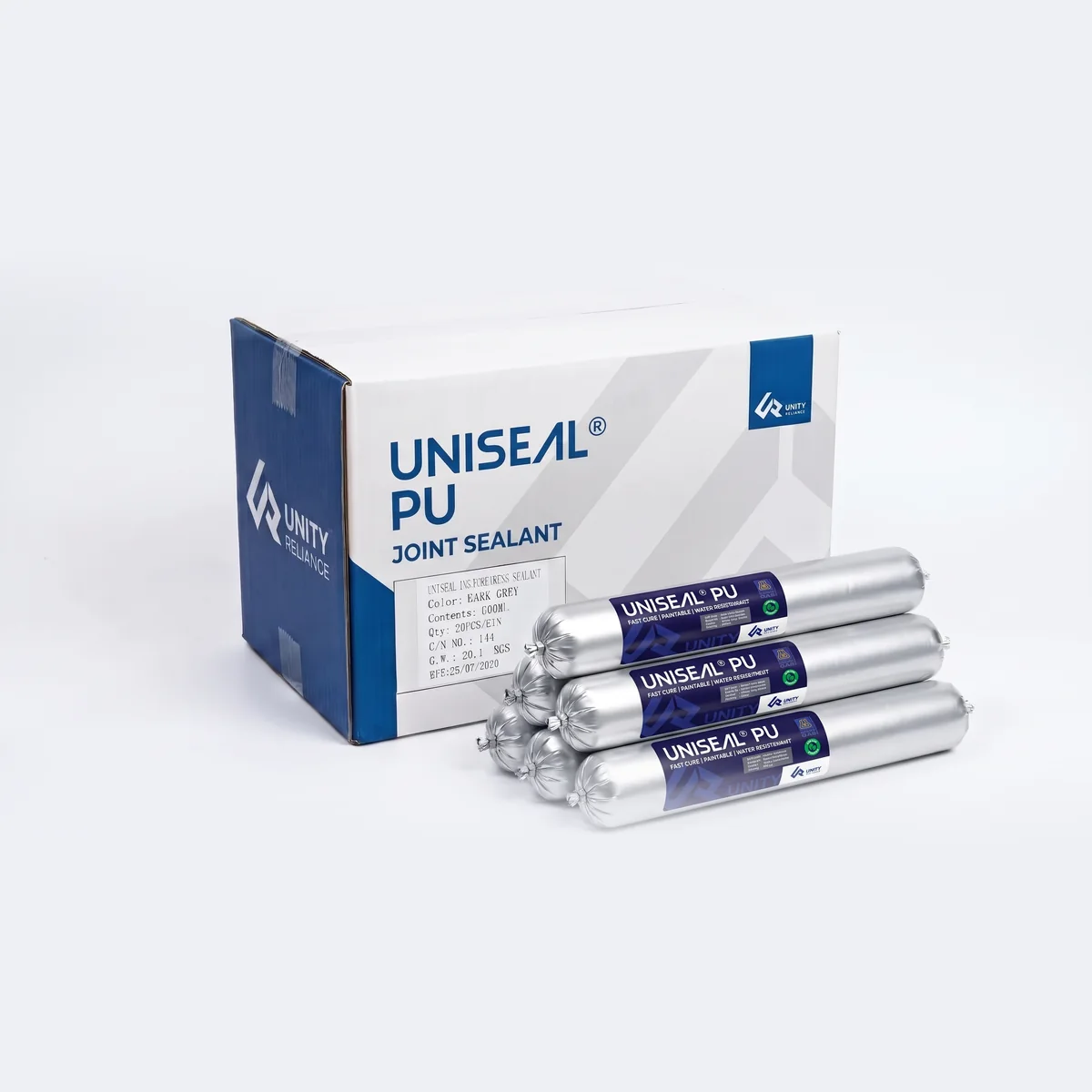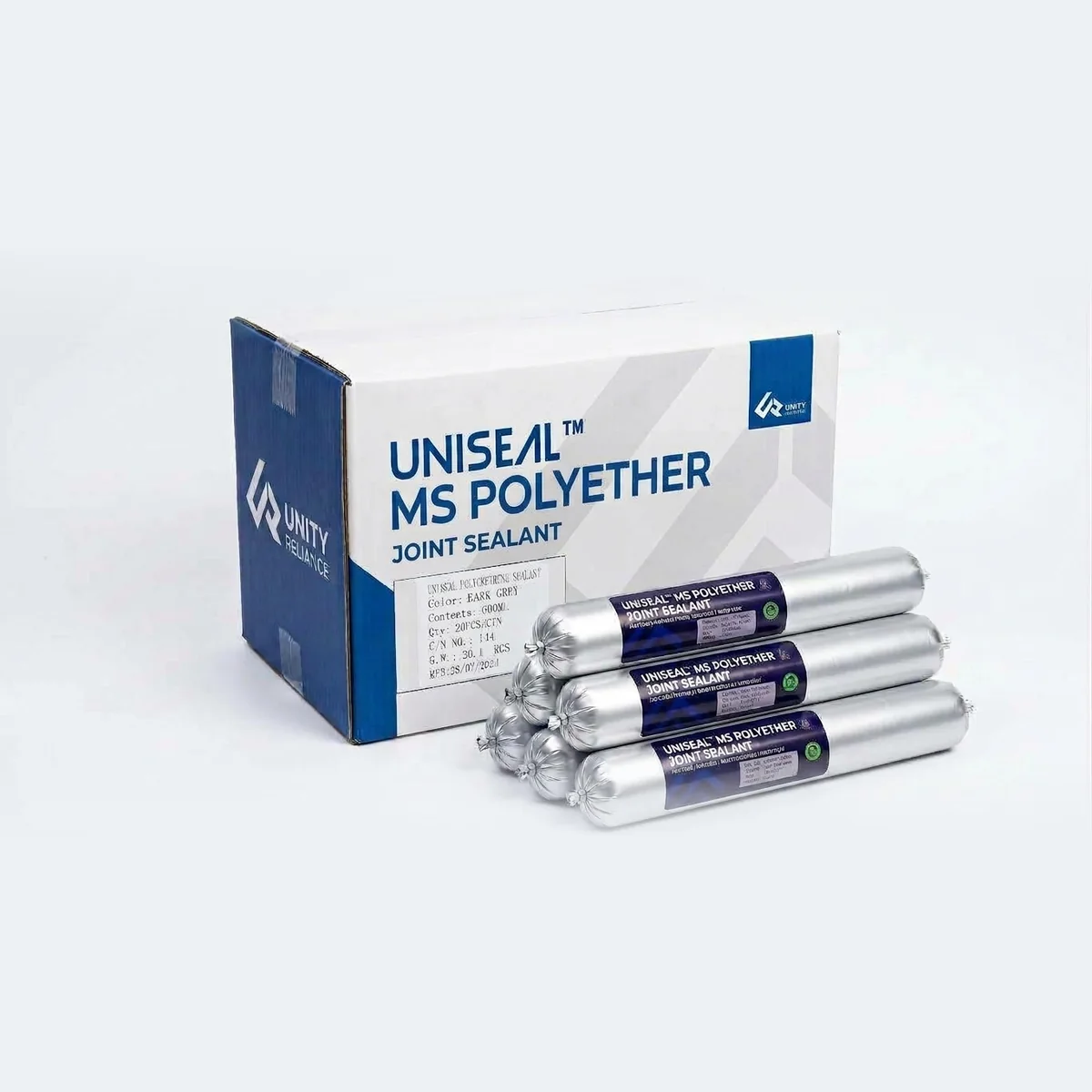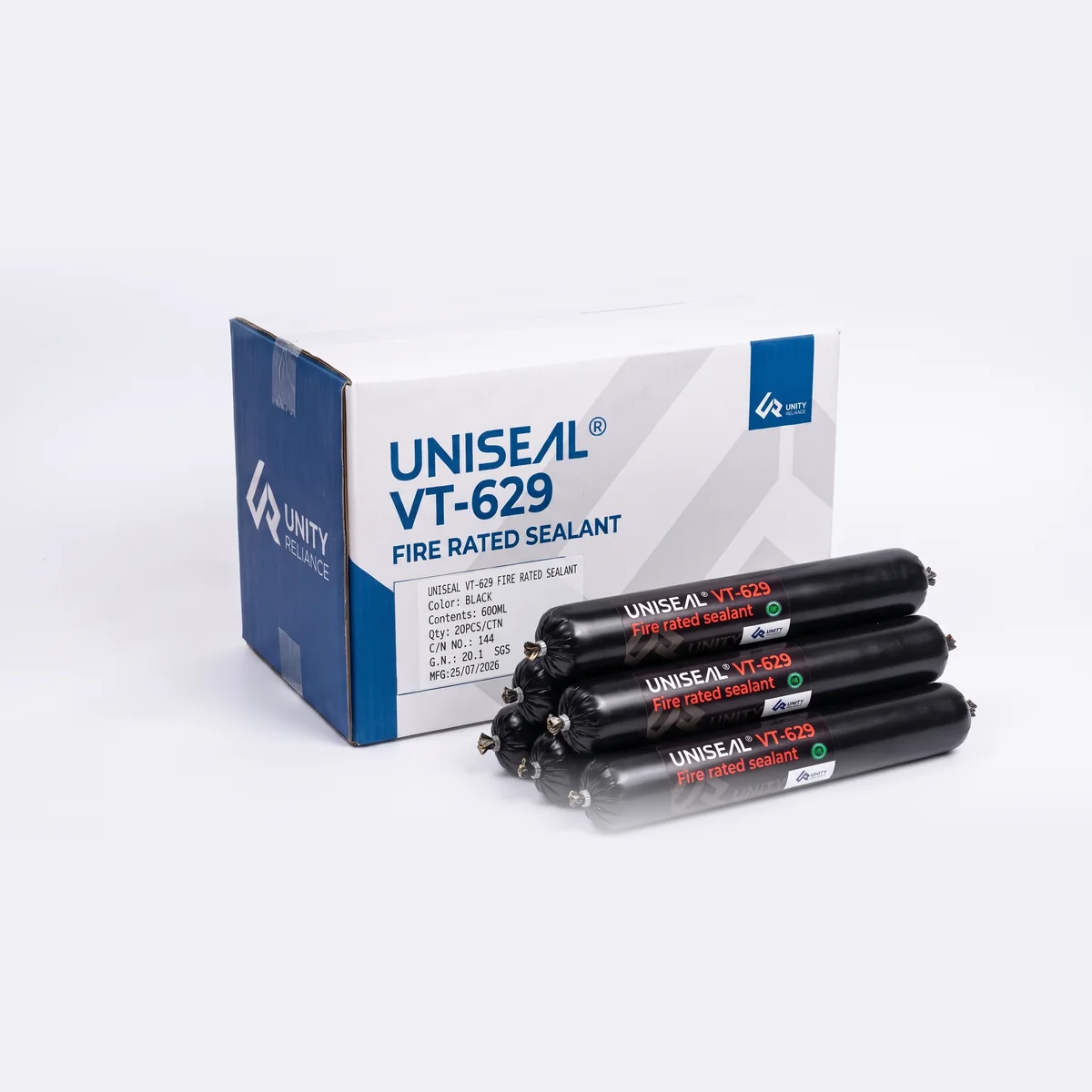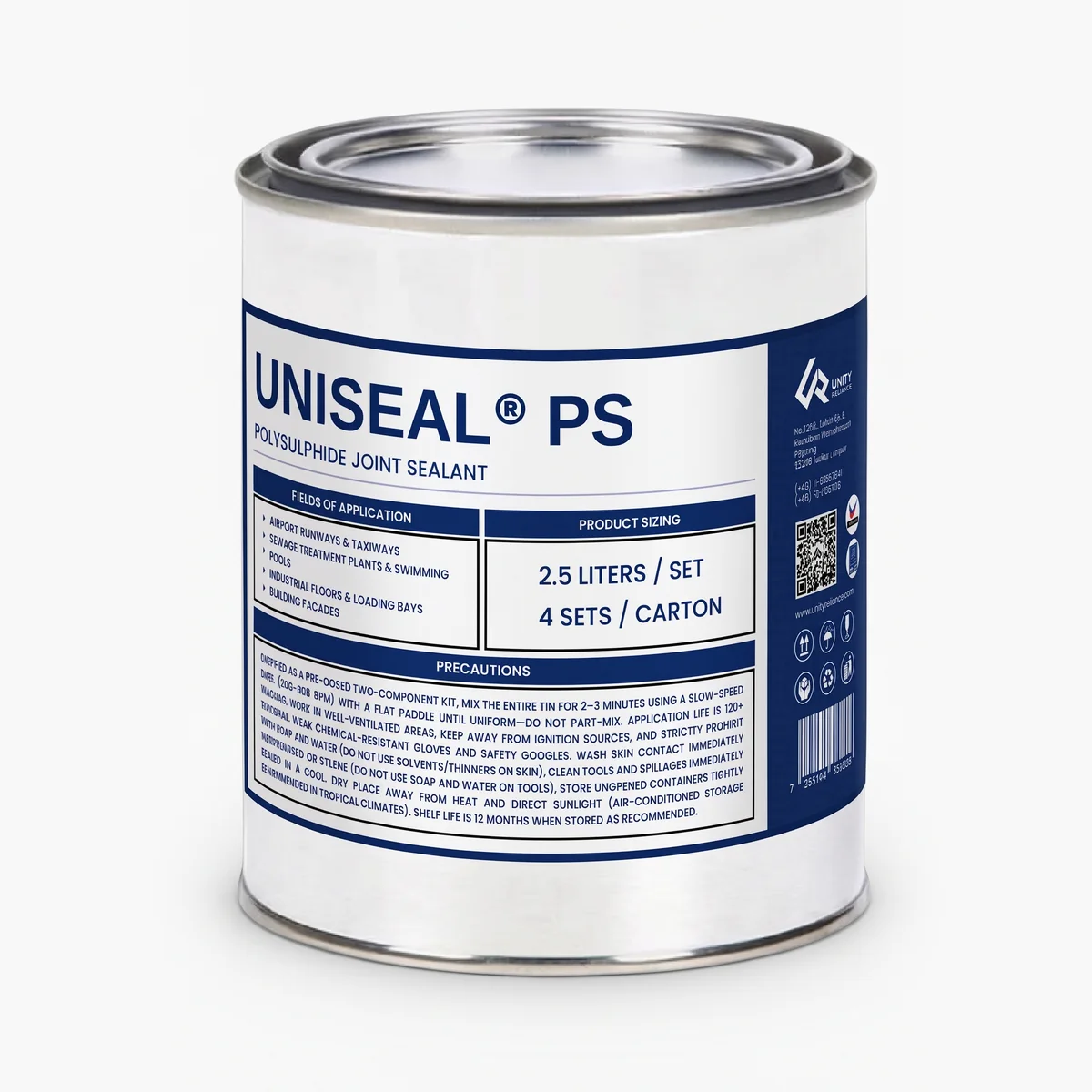
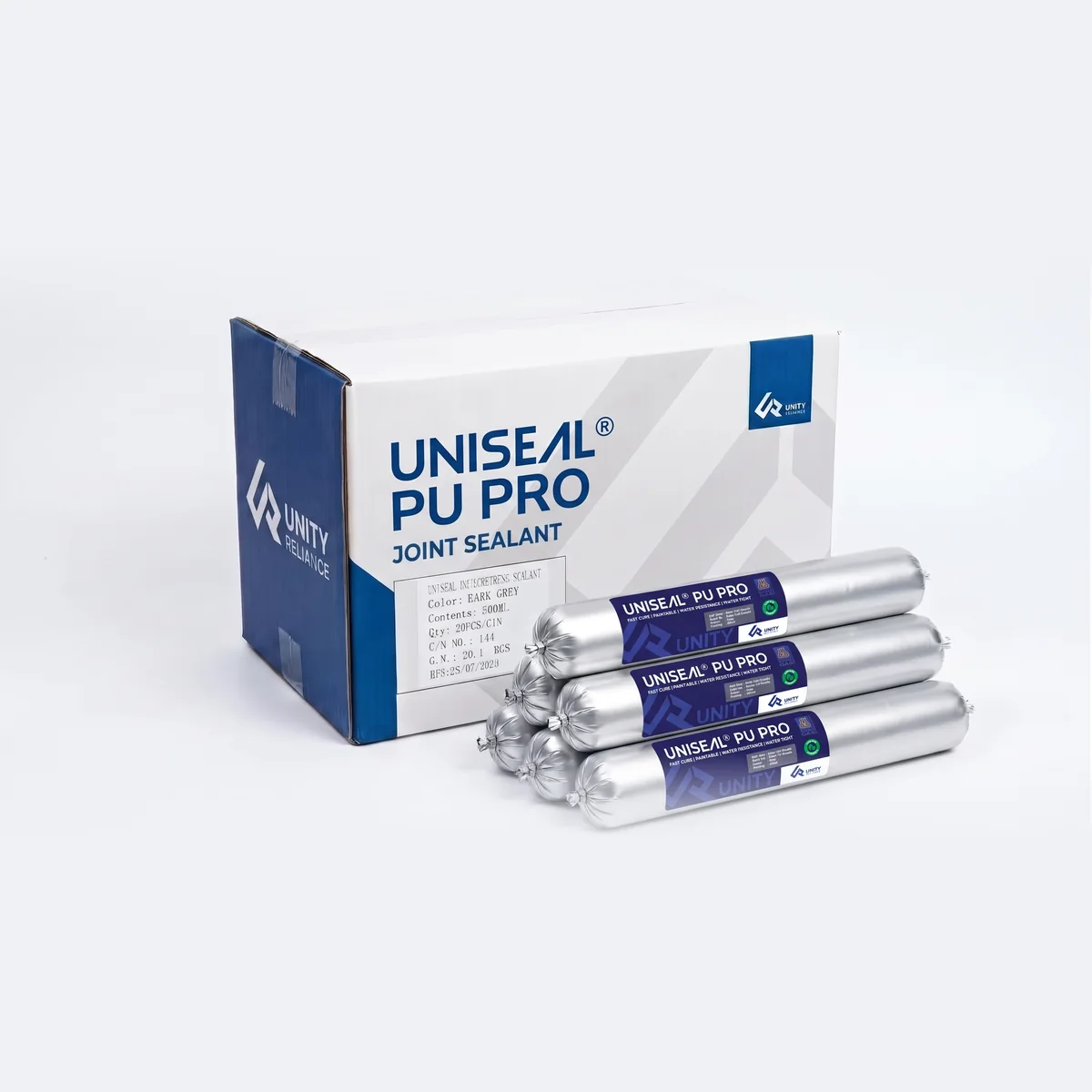
UNISEAL®Joint Sealants
UNISEAL® PU PROTrafficable Polyurethane Joint Sealant
Fast cure trafficable polyurethane sealant
UNISEAL® PU PRO is a one-component, fast-curing polyurethane sealant and adhesive to ASTM C920 Class 25, Use T1, for trafficked joints in floors, roads, runways and pavements as well as general building joints. Resists hydrocarbons, Skydrol and aviation fuel.
- Technical data sheetReadPDF · 2.4 MB
- Drawings & CAD details (7)View & download
- Test report, MSDSOn request
About UNISEAL® PU PRO Joint Sealant
UNISEAL® PU PRO is a one-component, fast-curing, high-performance polyurethane sealant and adhesive. Its thixotropic, moisture-curing formulation gives high mechanical strength and excellent weathering resistance.
It is classified ASTM C920 Type S, Grade NS, Class 25, Use T1, NT, M, G, A, suitable for trafficked joints in floors, roads, runways and pavements as well as general building joints. It resists hydrocarbons, Skydrol and aviation fuel, and does not sag in vertical joints up to 35 mm wide.
Advantages
- ASTM C920 Class 25 – ±25% movement capability
- Superior adhesion to porous and non-porous substrates
- Exceptional weathering and long-term durability
- High hydrocarbon, Skydrol and aviation fuel resistance
- Non-sag in vertical joints up to 35 mm wide
- Rapid tack-free and short skinning time
- Fungal and biological growth resistance
- Low VOC formulation
- Non-hazardous safety classification
Where it is used
- Construction and control joints
- Expansion joints in buildings
- Precast and tilt-up panel joints
- Window and door perimeter joints
- Wall and floor penetrations
- Retaining walls
- Brickwork, stone and ceramic joints
- Sanitary applications
- Bonding aluminium composite panels
- Trafficable joints – stairs, roads, runways
Specifications
From the UNISEAL® PU PRO Joint Sealant technical data sheet. Check the latest TDS for your submittal.
Estimate how much you need →| Material | Polyurethane (PU), one component, moisture curing |
|---|---|
| Colour | White / Grey / Black |
| Classification (ASTM C920) | Type S, Grade NS, Class 25, Use T1, NT, M, G, A |
| Specific gravity | 1.16 ± 0.03 |
| Curing rate | 3 – 4 mm / 24 hours |
| Skin formation | 45 – 60 minutes |
| Extrusion rate (ASTM C1183) | > 50 ml/min |
| Sag, vertical (ASTM C639) | None |
| Shore A hardness (ASTM C661) | 35 ± 5 |
| Tear resistance (ISO 34) | Min. 6.5 N/mm |
| Elongation at break (ASTM D412) | > 500% |
| Movement capability (ASTM C719) | ±25% – no loss of bond |
| Adhesion-in-peel (ASTM C794) | > 40 N, cohesive failure; > 100 N after UV |
| Heat ageing (ASTM C1246) | Weight loss < 1%, no cracking |
| Staining (ASTM C510) | No staining / colour change |
| Service temperature | -40°C to +80°C |
| Application temperature | +5°C to +35°C |
| VOC content | 35 g/L |
| Size & packing | 600 ml sausage, 20 per carton; UNISEAL® PRIMER 1 litre tin |
| Shelf life | 12 months from manufacture, stored dry at +5°C to +25°C |
Questions about UNISEAL® PU PRO Joint Sealant
Can UNISEAL® PU PRO take traffic?
Yes. It is classed ASTM C920 Use T1 for trafficked joints such as floors, stairs, roads, runways and pavements, and resists hydrocarbons, Skydrol and aviation fuel.
How fast does it cure?
It skins in 45 – 60 minutes and cures 3 – 4 mm per 24 hours at 23°C and 50% RH.
Do I need primer?
UNISEAL® PRIMER is required on porous substrates (concrete, mortar, masonry) and in joints that will be immersed in water. On dry, sound, non-porous joints it is optional, as UNISEAL® PU PRO has good adhesion to clean, prepared surfaces. Let the primer dry 1 – 2 hours before sealing.
How should the joint be sized?
Joints up to 12 mm wide use a 1:1 width to depth ratio; joints over 12 mm use 2:1. Minimum depth 6 mm and maximum width 35 mm for vertical joints. Set the depth with UNIFLEX® PE Backer Rod (do not puncture it) so the sealant bonds to the two sides only.
How many metres does one sausage do?
A 600 ml sausage fills about 6 m of a 10 x 10 mm joint, 3 m of a 20 mm wide x 10 mm deep joint, or 1.5 m of a 20 x 20 mm joint (width x depth x length / 1000 = litres). Allow for site wastage.
What colours are available?
White, grey and black.
Can it be painted?
Yes, once fully cured, and it is compatible with water-based paints. Solvent-based paints may make it tacky; field-test the coating first.
Guides
Drawings & CAD details
3 PDF drawing sheets and 4 editable CAD details (DXF / DWG). Free to download, no sign-up.
Typical Expansion Joint Details
Typical Joint Sealant Details
For illustration only – not for construction. Generic product details, not an engineering design. Sizes, reinforcement and installation to be designed and approved by the project engineer. Refer to the TDS.