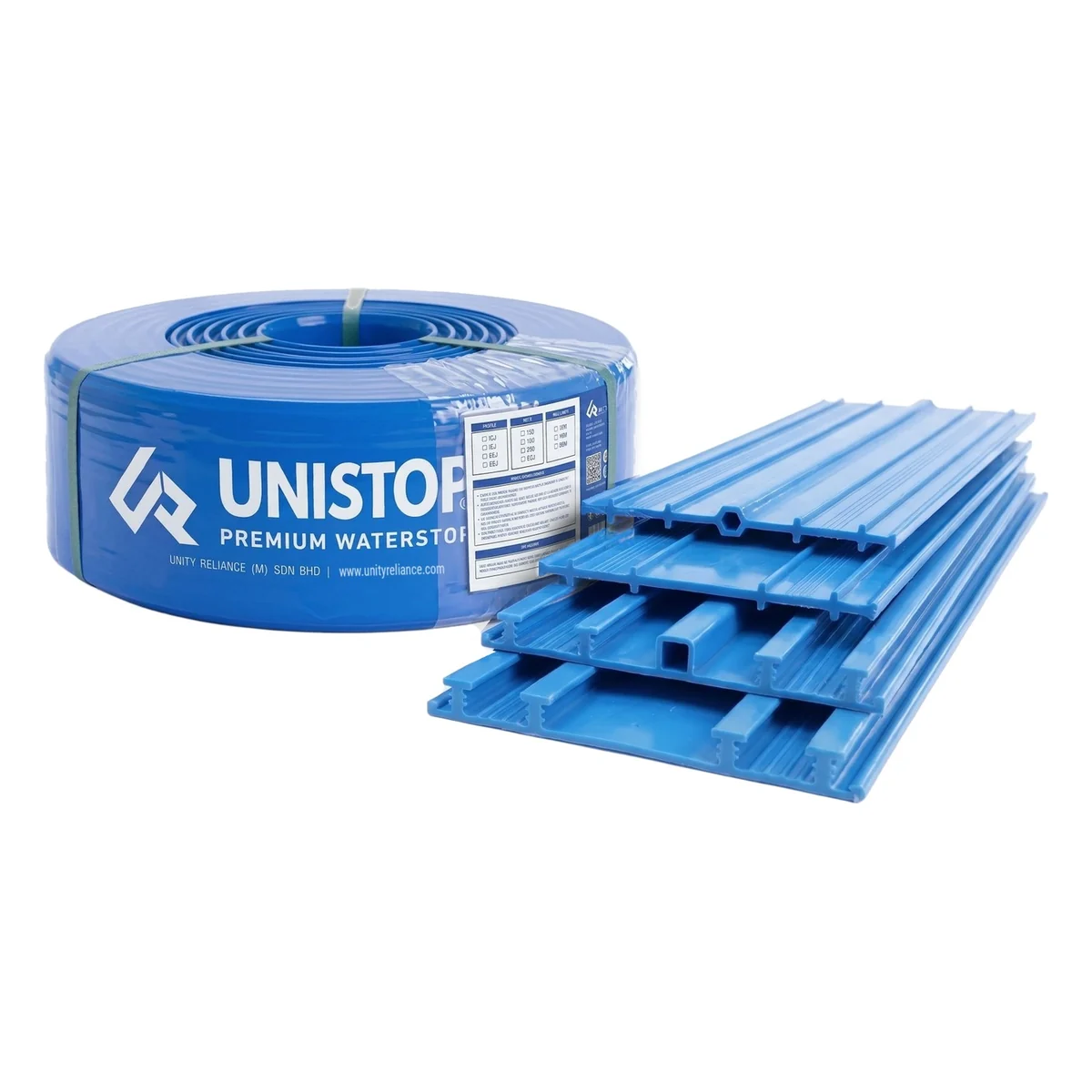
UNISTOP®Waterstops
UNISTOP® PVCPolyvinyl Chloride Waterstop
Cast-in PVC waterstop
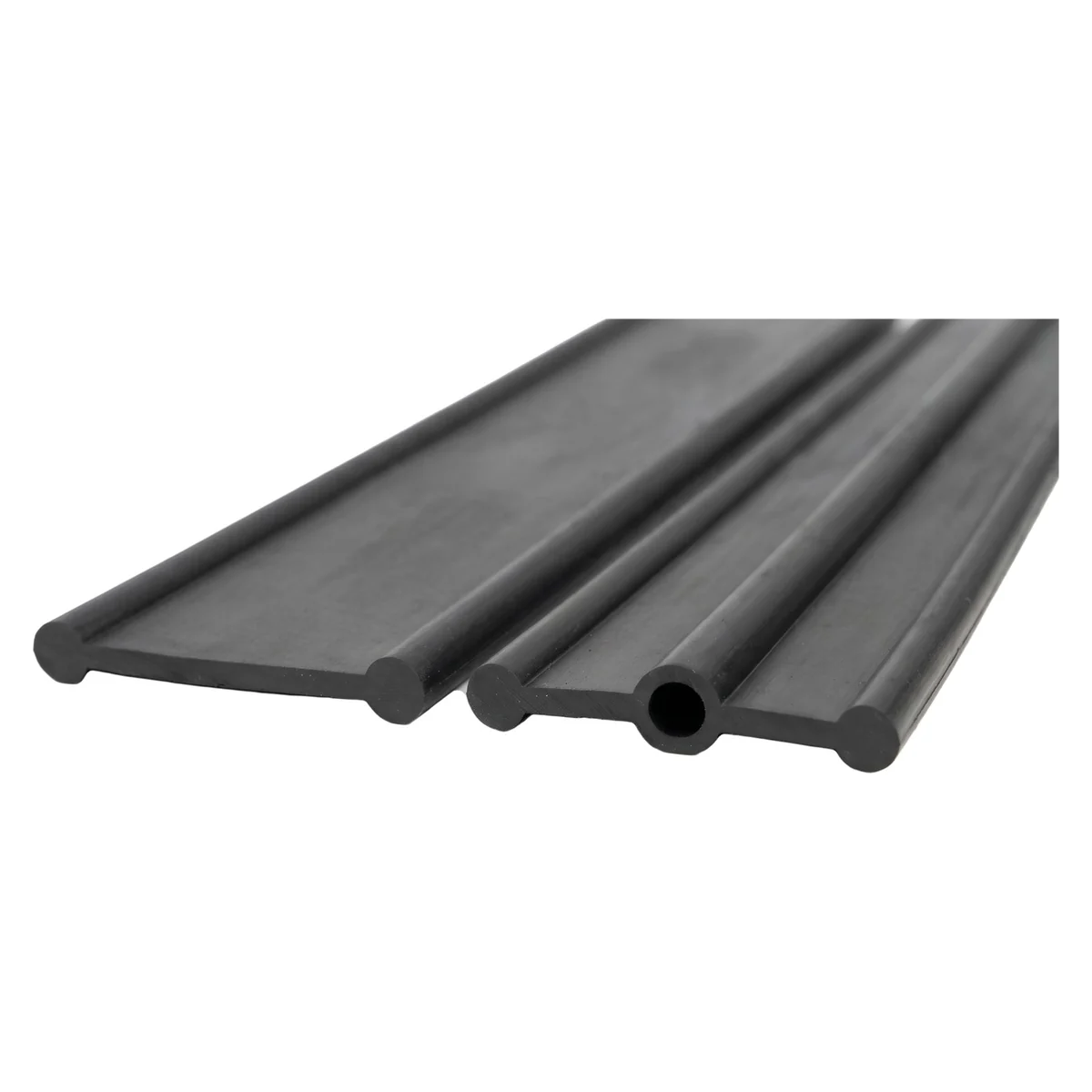
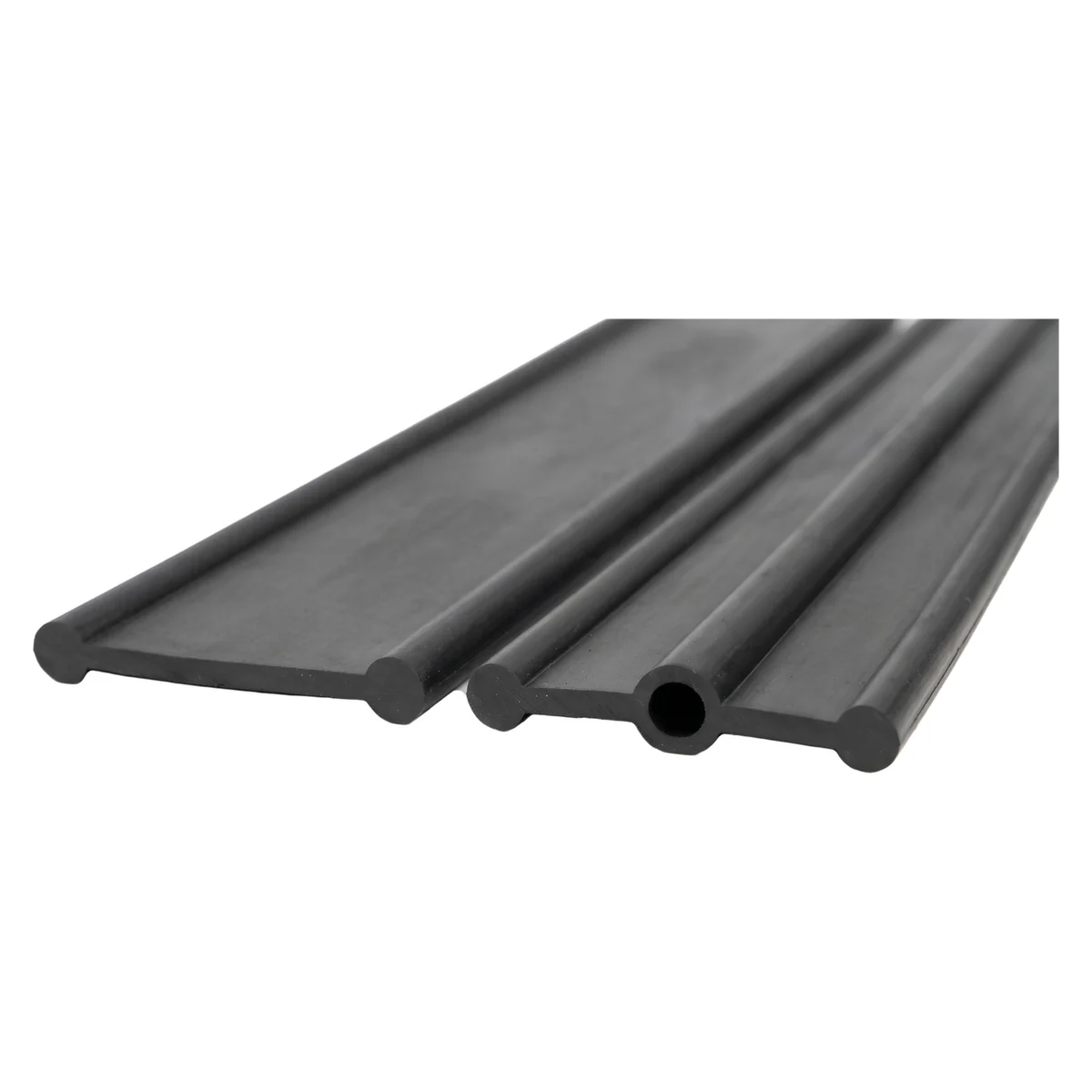
UNISTOP® PVC WATERSTOP is extruded from high-grade plasticised PVC and cast into construction and expansion joints to stop liquids passing under pressure. Profiles ICJ, IEJ, ECJ and EEJ in 150 – 320 mm, tested to MS 1583 and SPAN approved for drinking water contact.
- Technical data sheetReadPDF · 1.9 MB
- Drawings & CAD details (14)View & download
- Test report, MSDSOn request
About UNISTOP® PVC Waterstop
The UNISTOP® PVC WATERSTOP range is extruded from high-grade polyvinyl chloride (PVC) resin, specially plasticised and stabilised for long-term protection against water leakage in concrete structures.
It is cast into construction and expansion joints to stop liquids passing under pressure. Its profile creates a tortuous path that restricts liquid travelling across the joint.
It comes in a wide range of sizes and profiles, in roll lengths with factory-made intersections to minimise site heat jointing: UNISTOP® ICJ (internal, construction joints), IEJ (internal, expansion joints), ECJ (external, construction joints) and EEJ (external, expansion joints).
It is suitable for drinking water contact: tested to MS 1583 and cytotoxicity test, SPAN approved.
Advantages
- High-grade PVC for long-term durability and integrity
- Alternative sizes and profiles to suit all requirements
- Internal profiles have brass eyelets on the edge flanges for tying to the reinforcement
- Prefabricated intersections to minimise on-site heat jointing
- Resistant to sea water, salt solution, potable and sewage water
- Suitable for drinking water contact (MS 1583, SPAN approved)
Where it is used
- Water Tanks & Reservoirs
- Water & Sewerage Treatment Plants
- Dam, Culverts & Spillways
- Swimming Pools
- Bund Walls
- Basement & Underground Car Parks
- Tunnels & Subways
- Retaining Walls
- Roof Decks & Podium Areas
- Lift Pits & Service Pits
Specifications
From the UNISTOP® PVC Waterstop technical data sheet. Check the latest TDS for your submittal.
| Material | Polyvinyl chloride (PVC); TPR also available on request |
|---|---|
| Colour | Blue (other colours on request) |
| Profiles | ICJ / IEJ (internal construction / expansion), ECJ / EEJ (external construction / expansion) |
| Widths | 150, 200, 250, 320 mm |
| Roll length | 20 m (150 mm); 15 m (200 mm); 12 m (250 mm); 15 m (320 mm) |
| Hardness, Shore A (BS EN ISO 868) | 77 |
| Water absorption (BS EN ISO 62) | 0.10% |
| Specific gravity (BS EN ISO 1183-1) | 1.335 |
| Tensile strength (ASTM D412) | 15.6 N/mm² |
| Elongation at break (ASTM D412) | 361 % |
| Test basis | Independent laboratory tests on the PVC compound (2025); report on request |
| Prefabricated intersections | Flat and vertical L, T and X |
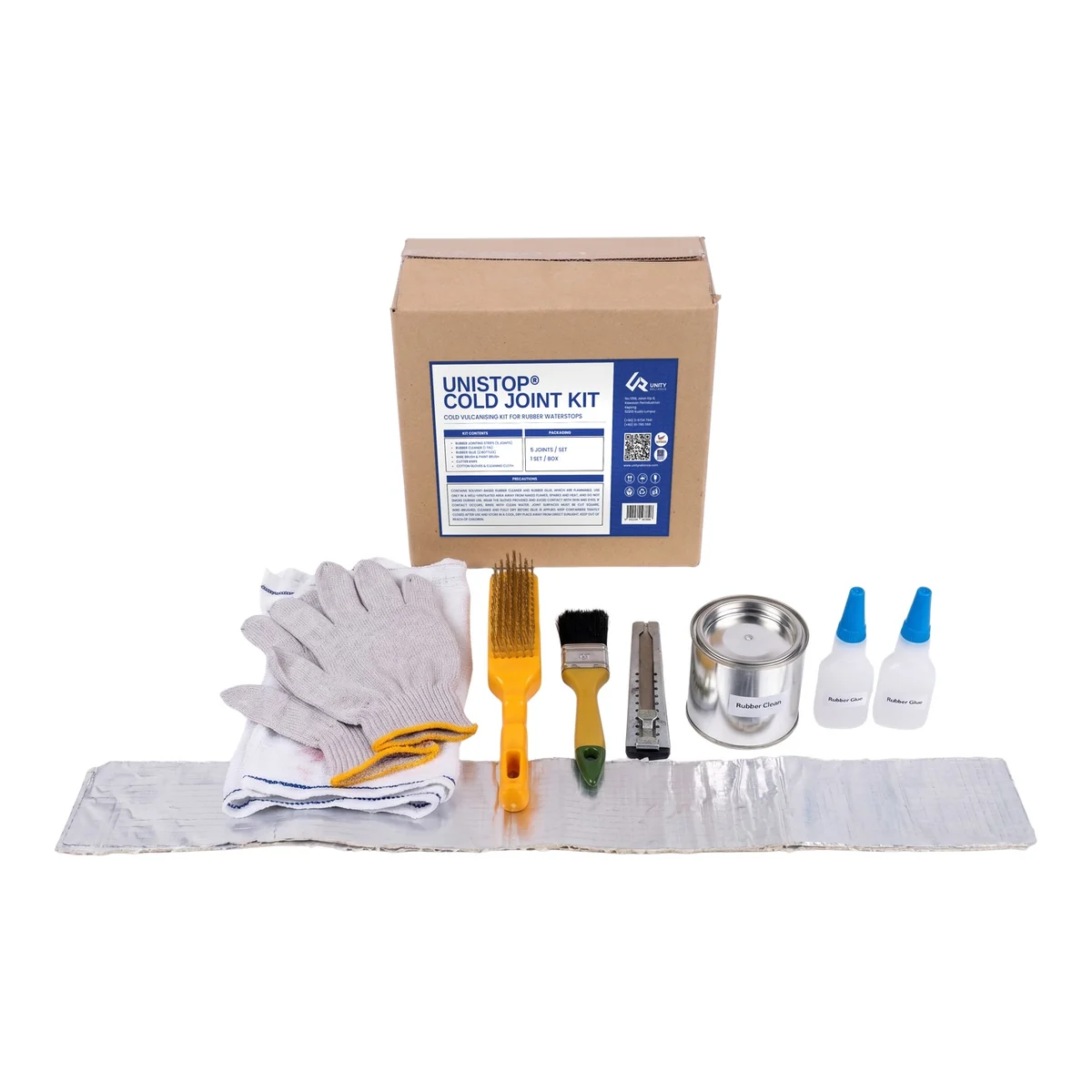
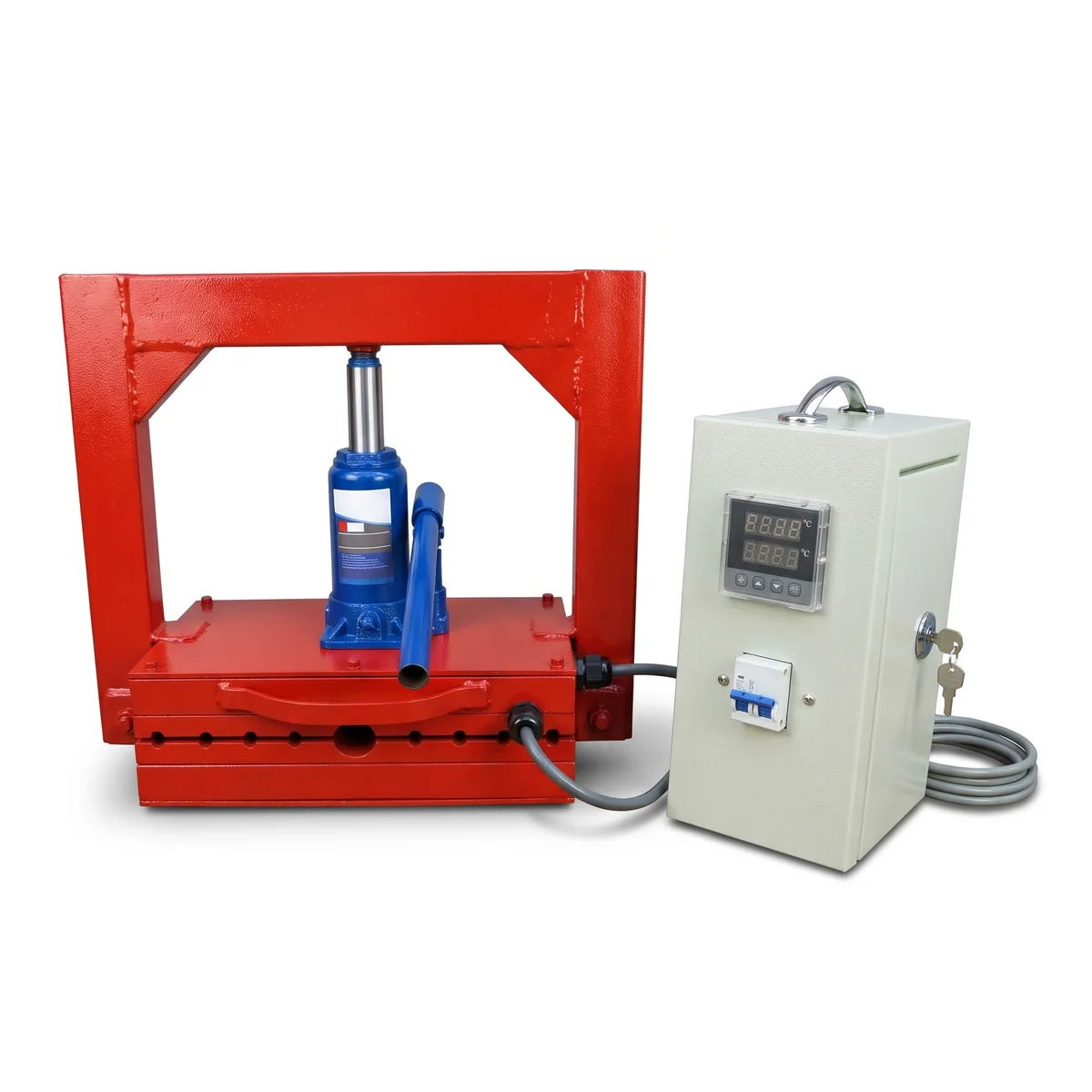
| Jointing accessories | Heater blade and jointing jig |
| Drinking water | Tested to MS 1583 and cytotoxicity test, SPAN approved |
Questions about UNISTOP® PVC Waterstop
What sizes does UNISTOP® PVC Waterstop come in?
Each profile (ICJ, IEJ, ECJ, EEJ) comes in 150, 200, 250 and 320 mm widths. Roll lengths are 20m for 150mm, 15m for 200mm, 12m for 250mm and 15m for 320mm.
Which width should we use for our wall or slab?
As a rule of thumb, use a 250mm wide waterstop for concrete walls or slabs 250mm thick and above. For thinner sections, use the 150mm or 200mm profile that most closely matches the thickness.
When do we use an internal versus an external profile?
Internal profiles (ICJ/IEJ) are always used in wall joints of water retaining structures, and can also be used in roof and podium deck joints. External profiles (ECJ/EEJ) are generally used where there is positive water pressure directly on the waterstop, such as basements and tunnels, and also in base slabs of water retaining structures.
How is it fixed before the concrete pour?
Internal waterstops are centred on the joint and wired to the reinforcement through the brass eyelets on the edge flanges, with formwork clamping it in the middle. External waterstops are laid on the compacted grade or lean concrete and nailed through the outer web to the formwork.
How are joints and intersections made on site?
Lengths and the factory prefabricated intersections are hot welded using a jointing jig and electric heater blade, with at least 25mm protruding from the jig. The ends are melted and pressed together until the PVC cools to form a fusion welded butt joint.
How is an expansion joint formed with it?
Cast one side first, then fix UNIFLEX® PE filler board to the concrete face around the waterstop centre bulb for the full joint depth before casting the next pour against it.
Is UNISTOP® PVC suitable for drinking water tanks?
Yes. It is tested to MS 1583 and cytotoxicity test and SPAN approved for drinking water contact.
Guides
Drawings & CAD details
8 PDF drawing sheets and 6 editable CAD details (DXF / DWG). Free to download, no sign-up.
Typical Expansion Joint Details
UNISTOP® PVC Waterstop Sections
UNISTOP® PVC Waterstop Intersections
UNISTOP® PVC Waterstop Repair at Pipe
UNISTOP® PVC Waterstop Repair Cut-Off
UNISTOP® PVC Waterstop Expansion Joint Sections
Concrete Joints and Waterproofing – 3D
For illustration only – not for construction. Generic product details, not an engineering design. Sizes, reinforcement and installation to be designed and approved by the project engineer. Refer to the TDS.